Dry Eye Syndrome
Article Outline

Understanding Dry Eye Syndrome

What is dry eye syndrome?

Dry eye syndrome is a common ocular condition that occurs when the tear film is insufficient to keep the surface of the eye lubricated, leading to dryness and discomfort. The causes of dry eye can be categorized into two main groups:

Inadequate tear secretion
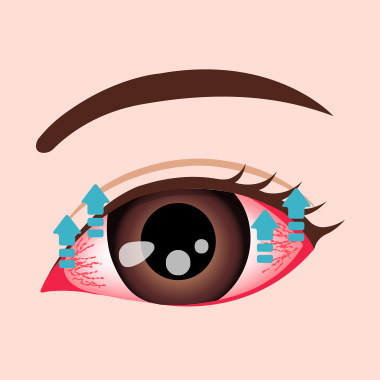
Excessive tear evaporation

Causes  of  Dry  Eye  Disease

Causes  of  Inadequate tear secretion
  • Aging

  • Lacrimal gland damage due to inflammation or trauma

  • Symptoms of autoimmune diseases 

    • e.g., Rheumatoid arthritis, Sjögren’s syndrome

  • Use of certain medications 

    • e.g., Antihypertensives, Antidepressants 

  • Eye-related surgery 

Causes  of  Excessive tear evaporation
  • Environmental factors: Prolonged exposure to high winds, heavy smoke, high temperatures, or dry air. 

  • Meibomian Gland Dysfunction (MGD) or insufficient secretion.

  • Incomplete eyelid closure. 

  • Reduced blink rate: 

    • e.g., Prolonged driving, reading, or excessive screen time. 

Key Structures of Tear Production

The tear film is a fluid membrane that covers the surface of the eye. It consists of three layers: the oil layer, the aqueous layer, and the mucin layer, each secreted by different glands around the eyes.

*Any dysfunction in the eye surface or these glands can potentially lead to dry eye syndrome.

*Click to enlarge

Meibomian Gland Dysfunction

The tear film consists of three layers: the lipid (oil) layer, the aqueous (water) layer, and the mucin layer.

The lipid layer is secreted by the meibomian glands. When meibomian gland dysfunction (MGD) or blockage occurs, the tear film’s ability to retain moisture significantly decreases. This often leads to a persistent feeling of dryness where eye drops seem to provide little to no relief.

*Click to enlarge

Process

Common Symptoms of Dry Eye

Dryness

Dryness, redness, and aching, eyesIncreased stringy mucus discharge around the eyes.

Stinging

Stinging, burning, or itching sensations,Frequent foreign body sensation.

Temporary blurred vision

Temporary blurred vision and photophobia (light sensitivity)

Paradoxical watering

Paradoxical watering (reflex tearing) due to underlying dryness

Dry Eye Evaluation

When consulting an ophthalmologist for dry eye issues, the doctor will typically begin by reviewing your medical history and assessing the severity of your symptoms. This information is crucial in helping the physician make an accurate diagnosis.

Medical history
  • How long have your symptoms persisted? 

  • Do you have any systemic diseases? (e.g., Rheumatoid Arthritis, Thyroid disorders, etc.)

  • What is your current eye drop regimen? (It is recommended to bring your current medications with you.) 

  • Do you regularly wear contact lenses?

  •  
Dry Eye Questionnaire
  • It is primarily used to evaluate the severity of symptoms and their impact on daily life.

Diagnostic Tests for Dry Eye Disease

Schirmer's Test
  • The Schirmer’s test is used to evaluate tear production. A small strip of filter paper is placed inside the lower eyelid to absorb tears for a duration of five minutes. 
  • If the moisture on the paper measures less than 10 mm, it is indicative of a potential dry eye condition.
Tear Break-up Time (TBUT)
  • A small amount of fluorescein dye is applied to the ocular surface and distributed evenly across the eye. The patient is then asked to refrain from blinking while the time until dry spots appear on the cornea is measured. 
  • An abnormally short interval before these dry spots develop indicates a tear film instability.
Ocular Surface Fluorescein Staining

Fluorescein dye is used to temporarily stain the ocular surface to visualize the extent of epithelial defects. This helps clinicians assess the severity of dry eye disease.

Advanced Dry Eye Diagnostic Testing

Imaging examinations, such as the lipid layer interferometry (e.g., LipiView), can evaluate the lipid secretion within the tear film and detect abnormalities or dysfunction in the Meibomian glands.

Treatment for Dry Eye Disease

Dry eye disease is a common ophthalmic condition that occurs when the tear film is insufficient to keep the ocular surface lubricated, leading to dryness and discomfort. The causes of dry eye can be categorized into two main types:

Medical Therapy

There are various pharmacological treatments available, including artificial tears, anti-inflammatory drugs, antibiotics, and autologous serum. The physician will select the most appropriate treatment modality based on the underlying cause and the severity of the patient's condition.

Non-Pharmacological Treatment

Enhance eyelid hygiene and perform warm compresses. Warm compresses are particularly important, as regular application helps liquefy and express the oils from the meibomian glands.

Intense Pulsed Light (IPL) Therapy for Dry Eye

Using light energy to dissolve deep-seated oil blockages, thereby improving natural lipid secretion and achieving a self-sustaining moisturizing effect.

Home   Self –  Care

Blinking Exercises

Close your eyes for 2 seconds, squeeze them shut for another 2 seconds, and then open them for 2 seconds. Repeat this sequence at least 3 to 5 times daily.

Regular Warm Compresses

Applying a warm towel compress to the eyelids for 12 minutes can help the glands around the eyes secrete oils more efficiently. This is especially effective for patients who also suffer from blepharitis.

Keep Your Eyelids Clean

Cleanse your eyelids with a mild, diluted baby shampoo or a specialized eyelid cleanser to prevent the accumulation of excess oils, dust, and bacteria.

Limit alcohol and tobacco consumption, and prioritize adequate sleep.

Increasing sleep duration, reducing the frequency of smoking and alcohol consumption, and maintaining physical and mental well-being are essential. Good lifestyle habits will significantly contribute to the improvement of dry eye symptoms.

Increase your intake of foods rich in Vitamins A and D.

Research indicates that deficiencies in Vitamins A and D are linked to the development of dry eye disease. It is recommended to supplement these nutrients through diet or health supplements.

Increase your consumption of foods rich in Omega-3 fatty acids.

The best sources include salmon, tuna, and sardines. Plant-based Omega-3 options are also available, such as nuts, vegetable oils, soy milk, and other soy products.

FEEDBACK

更多回饋