

Advanced Micro-Incision
Cataract Surgery
Article Outline

Process

Examination Process

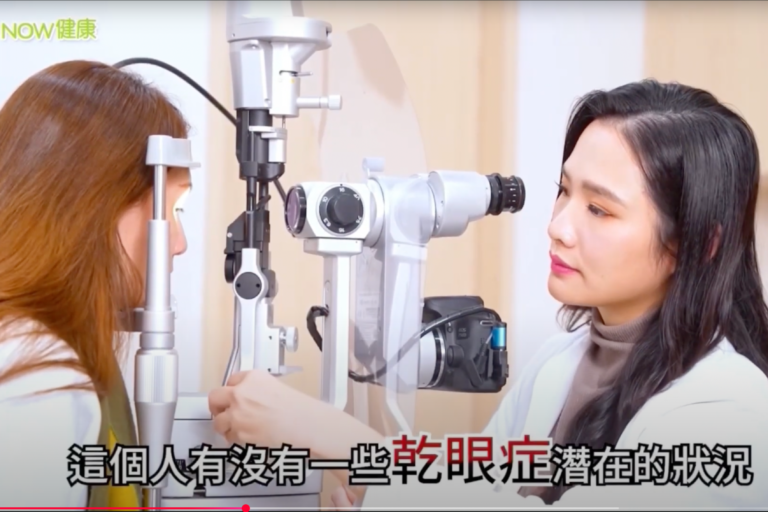
Step 2.Examination time

*Examination time is approximately 1 to 2 hours (requires pupil dilation).

Step 3.Eye Structure Examination

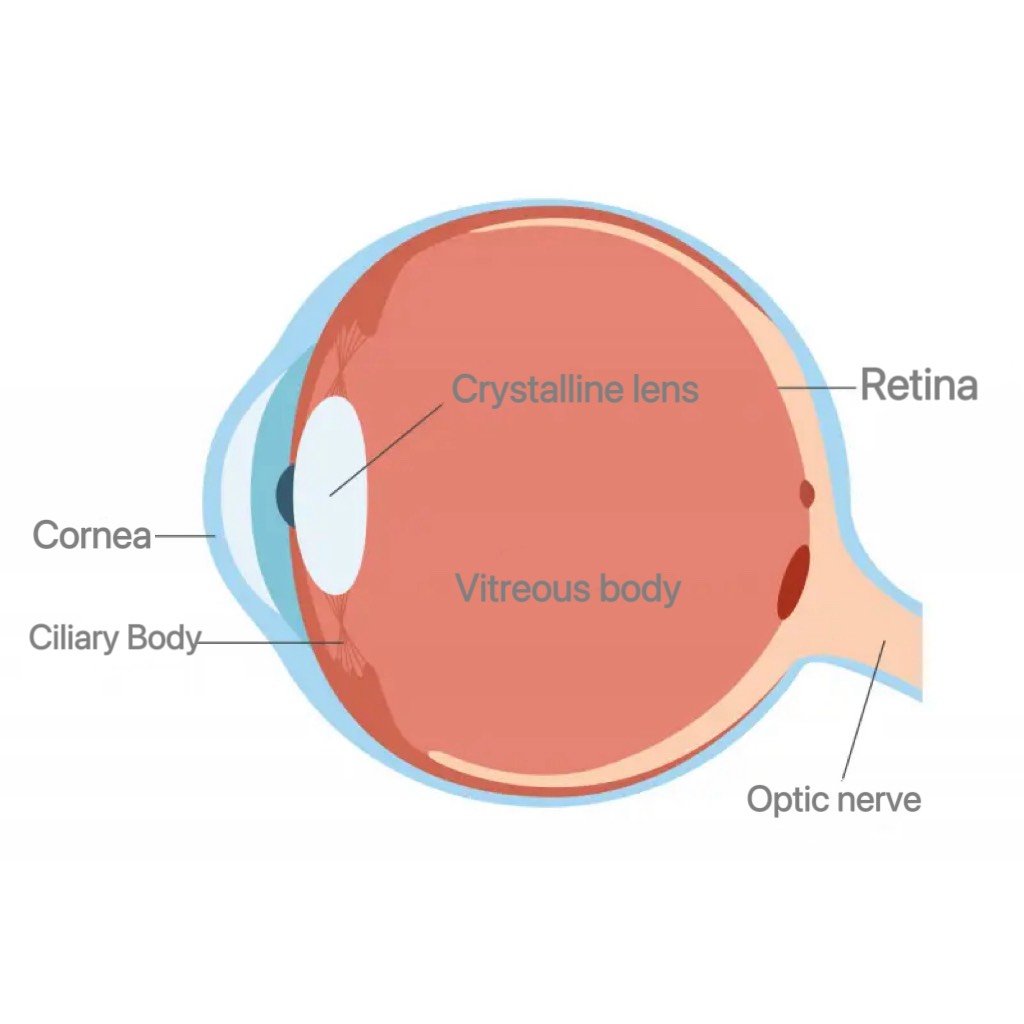
(Checking structures from front to back: cornea, lens, vitreous humor, retina, optic nerve, etc.)

Diagram of the Eye Structure

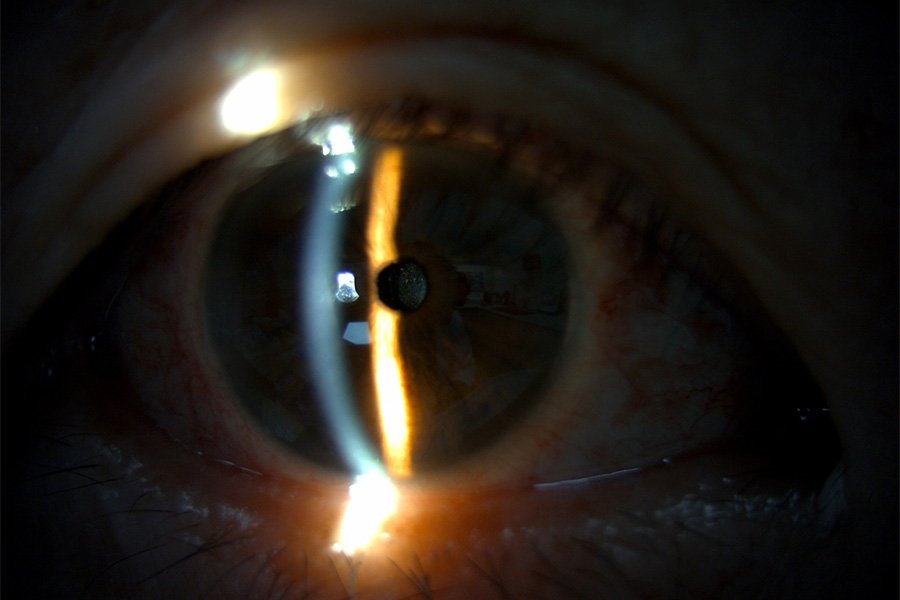
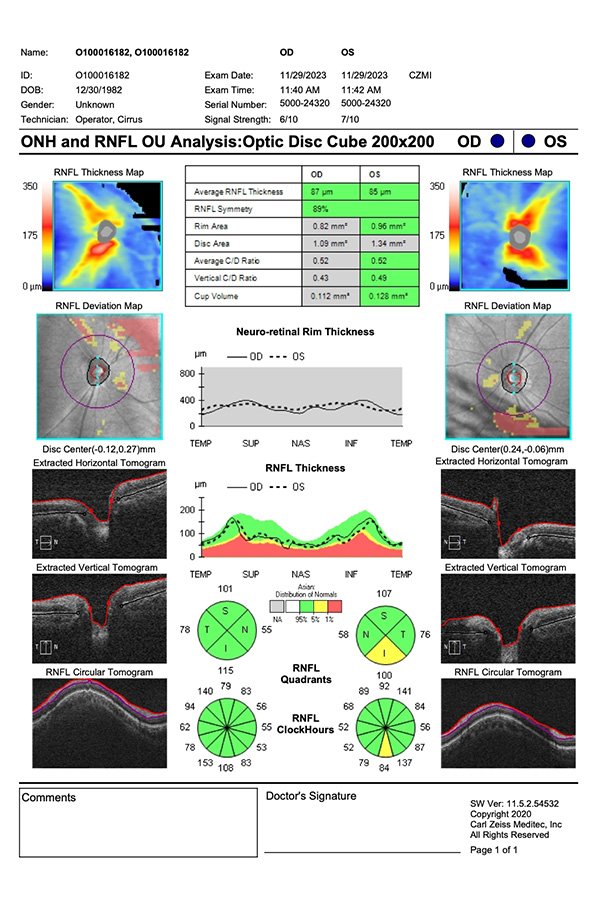
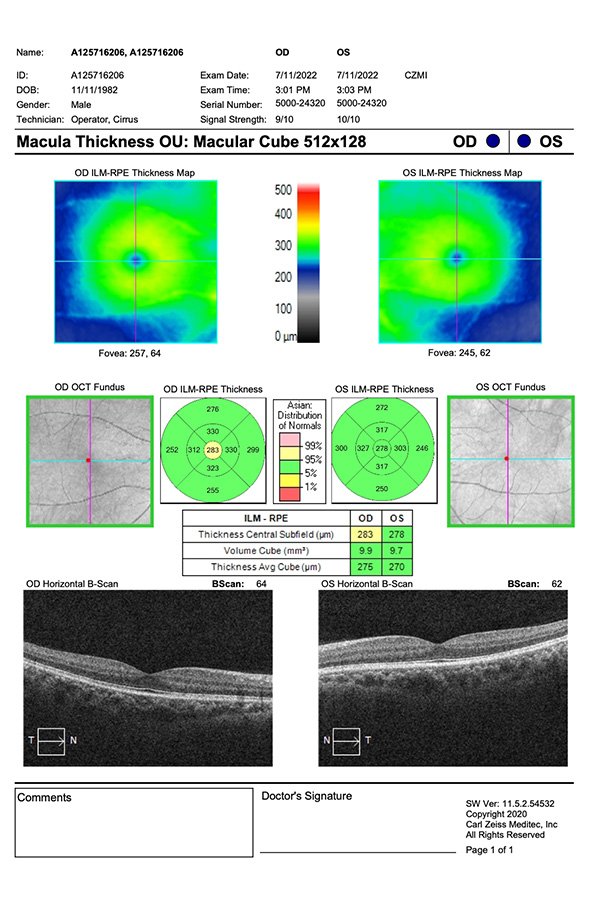
The examination proceeds from front to back, covering structures from the exterior to the interior, such as the cornea, the crystalline lens, the vitreous body, the retina, the optic nerve, and so forth.
*Examination time is approximately 1 to 2 hours (requires pupil dilation).

Dilation Notes: Vision will be blurred and sensitive to light (photophobia) for 6–8 hours. It is recommended to have assistance, walk, or use public transport for travel.

Image Source:Click to view

Discussion with the doctor

Treatment Method

How does cataract severity affect vision?
Does it affect work and daily life?

No surgery is needed

For mild to moderate cataract changes, you can initially use eye drops to slow down the rate of deterioration.

Wearing a hat and sunglasses is necessary to prevent sun exposure to UV rays.

Further treatment

一、Cataract Surgery Methods
二、Intraocular Lens (IOL) Options

Next Steps and Detailed Information

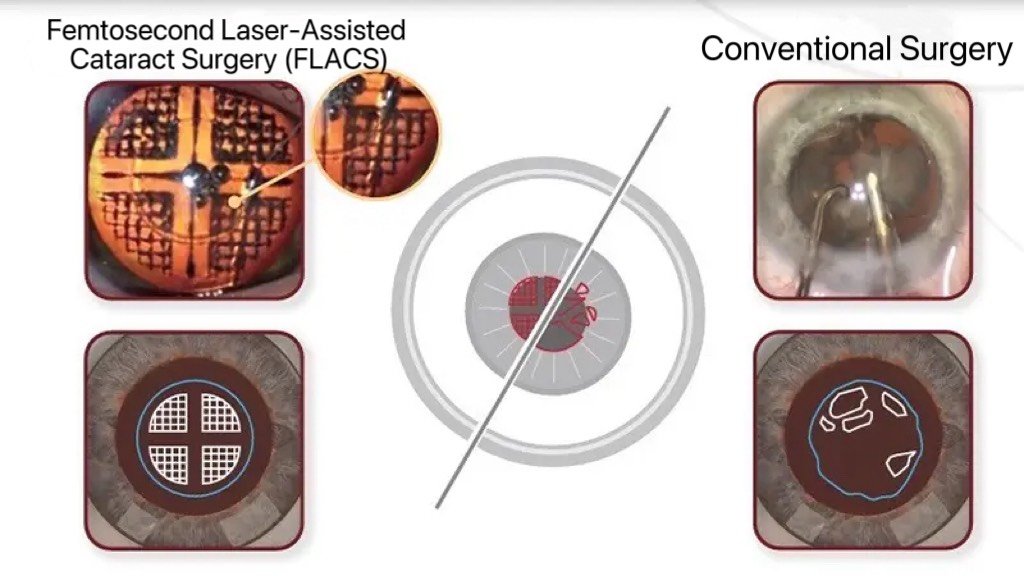
Advanced Femtosecond Laser vs. Conventional Cataract Surgery

Femtosecond Laser
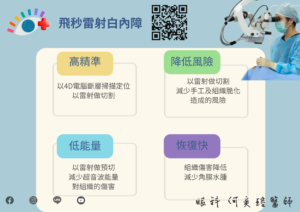
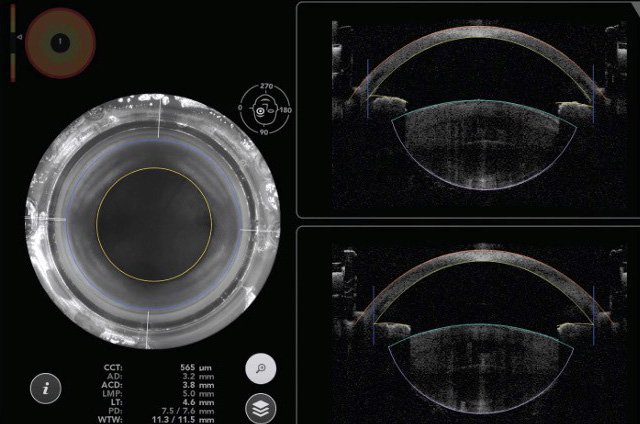
  • Intraoperative Safety Monitoring: Continuous monitoring via 4D tomography scanning.
  • Surgical Procedure: High-precision laser.
  • Surgical Accuracy: High, achieved through CT scanning and laser cutting.
  • Surgical Speed: Fast.
  • Damage to Ocular Tissues: Minimal, due to reduced ultrasonic energy.
  • The execution of a high-precision, perfectly circular incision is computer-controlled, resulting in more accurate positioning of the implanted Intraocular Lens (IOL).The laser system pre-softens and fragments the cataract into smaller pieces, making removal faster and easier, thereby reducing the impact of the surgery on ocular tissues.
  • The Femtosecond Laser System utilizes 4D Computed Tomography (CT) scanning to assist with surgical planning and provides continuous safety monitoring throughout the entire procedure.
  • Dynamic 4D Optical Coherence Tomography (OCT) imaging helps to more clearly display ocular tissues during the operation, resulting in more accurate incisions and safer surgery.
Conventional Ultrasound
  • Intraoperative Safety Monitoring: Traditional methods
  • Surgical Procedure: Manual cutting.
  • Surgical Accuracy: Manual.
  • Surgical Speed: Manual.
  • Damage to Ocular Tissues: Higher ultrasonic energy required.

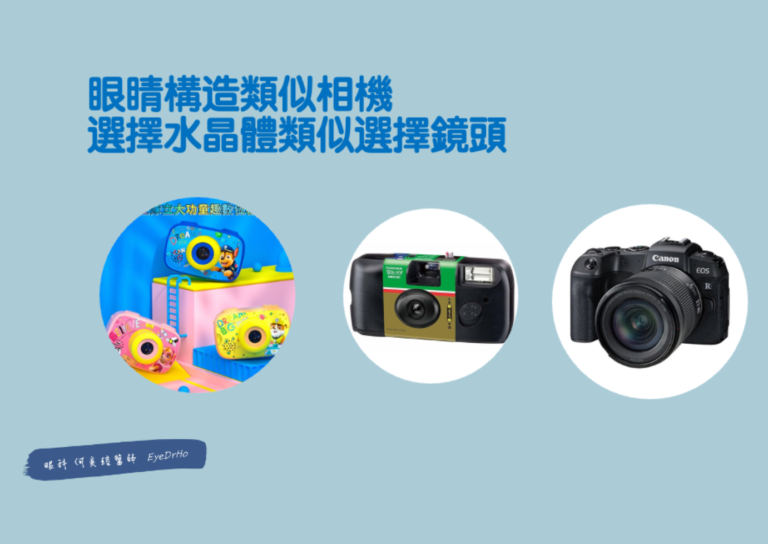
The structure of the eye is similar to that of a camera.

Choosing an Intraocular Lens (IOL) is similar to choosing a camera lens.

Choosing an Intraocular Lens (IOL)

Process

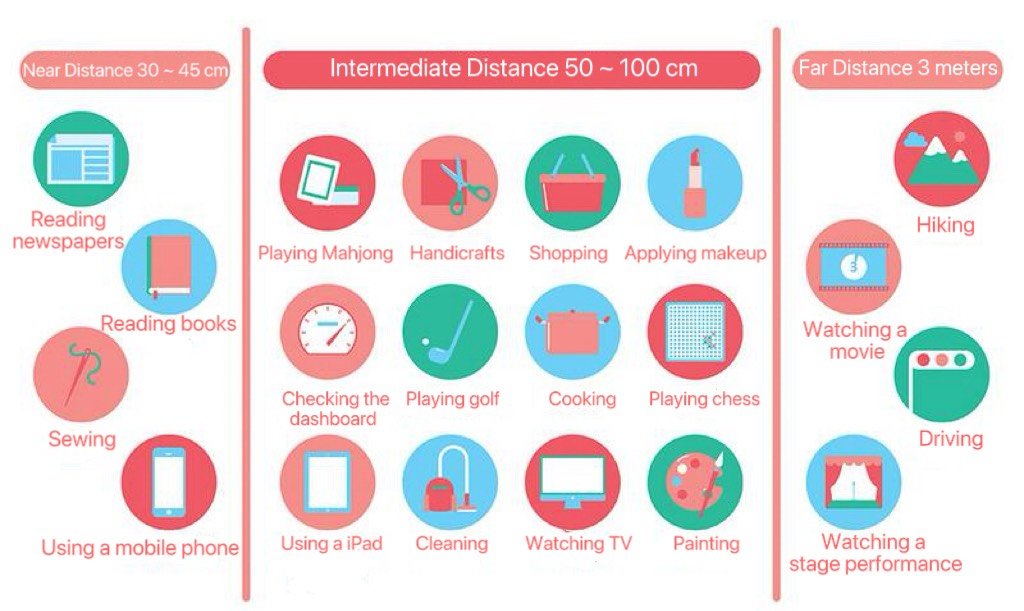
First, let's determine your visual needs for daily life and work.

Let’s have a detailed discussion to understand your specific needs.

Process

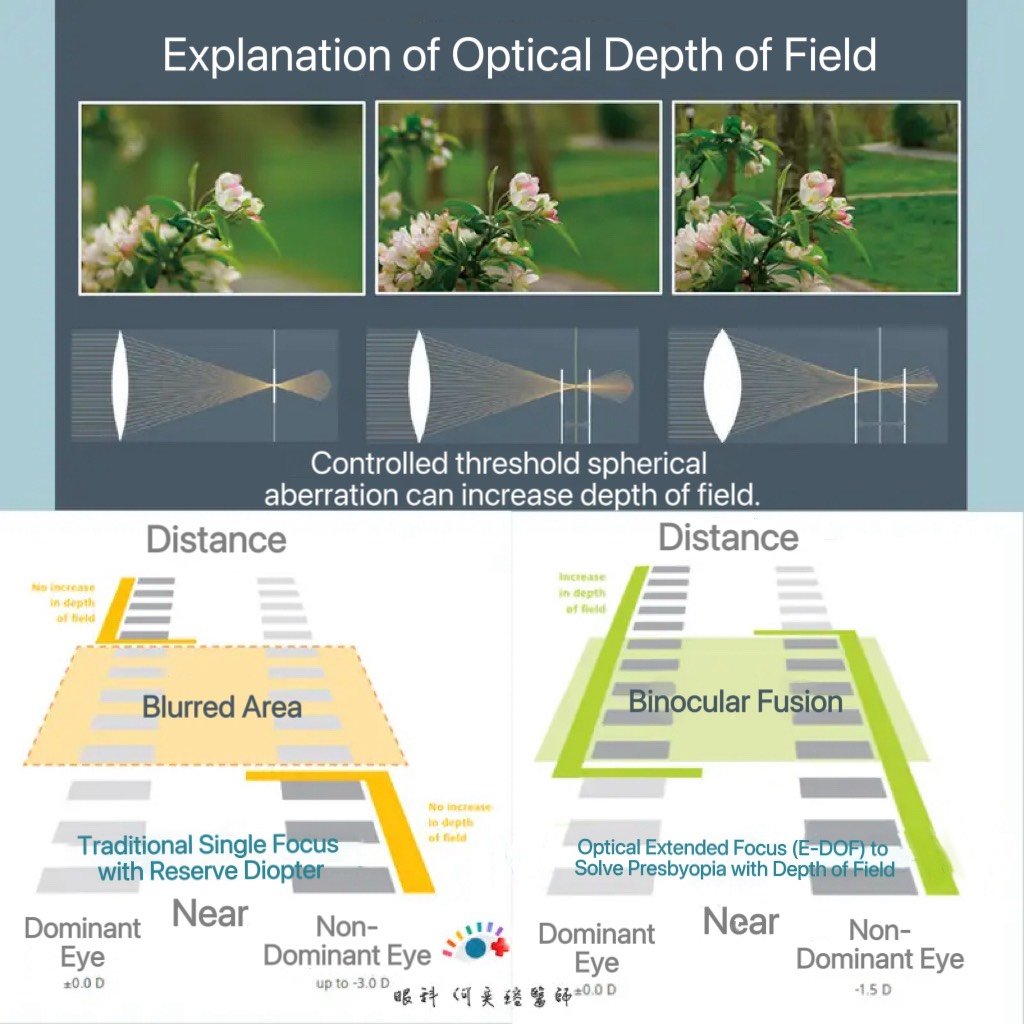
To understand the optical application of the Intraocular Lens (IOL)

Let’s have a detailed discussion to understand your specific needs.

Visual simulations for different work and daily activities.

Extended Depth of Focus

Enhances intermediate vision, optimizing visual performance during the day and prioritizing safety at night.

1.Provides clear distance vision
2.Micro-arc technology extends the focal point to improve intermediate vision.

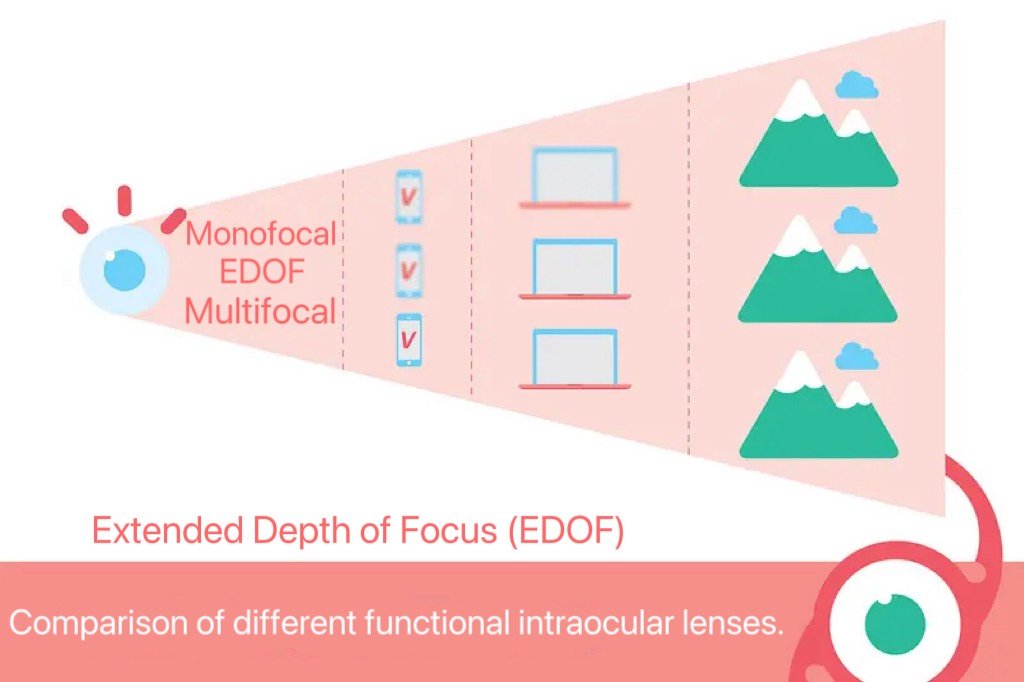
Monofocal: Distance (V), Intermediate (X), Near (X)

Short EDOF: Distance (V), Intermediate (V), Near (X)

Multifocal Intraocular Lens (IOL)
(Multifocal、Long-Focus、Extended Depth
of Focus、Trifocal)

Clear vision at all ranges (far, intermediate, and near)

Corrects presbyopia concurrently, minimizing spectacle dependence.

Monofocal: Distance (V), Intermediate (X), Near (X)

Multifocal: Distance (V), Intermediate (V),
Near (V)

Monofocal: Distance (V), Intermediate (X),
Near (X)

Multifocal: Distance (V), Intermediate (V),
Near (V)

Short EDOF: Distance (V), Intermediate (V), Near (X)

Multifocal: Distance (V), Intermediate (V),
Near (V)

Should I choose a Toric Intraocular Lens (IOL)?

Visual Simulation for Cataract and Astigmatism Patients

Simulated Vision with Uncorrected Astigmatism

Simulated Vision with a Toric Intraocular Lens (IOL)

醫學中心等級

Advanced Eye Health Examination

Detailed consultation to understand your needs

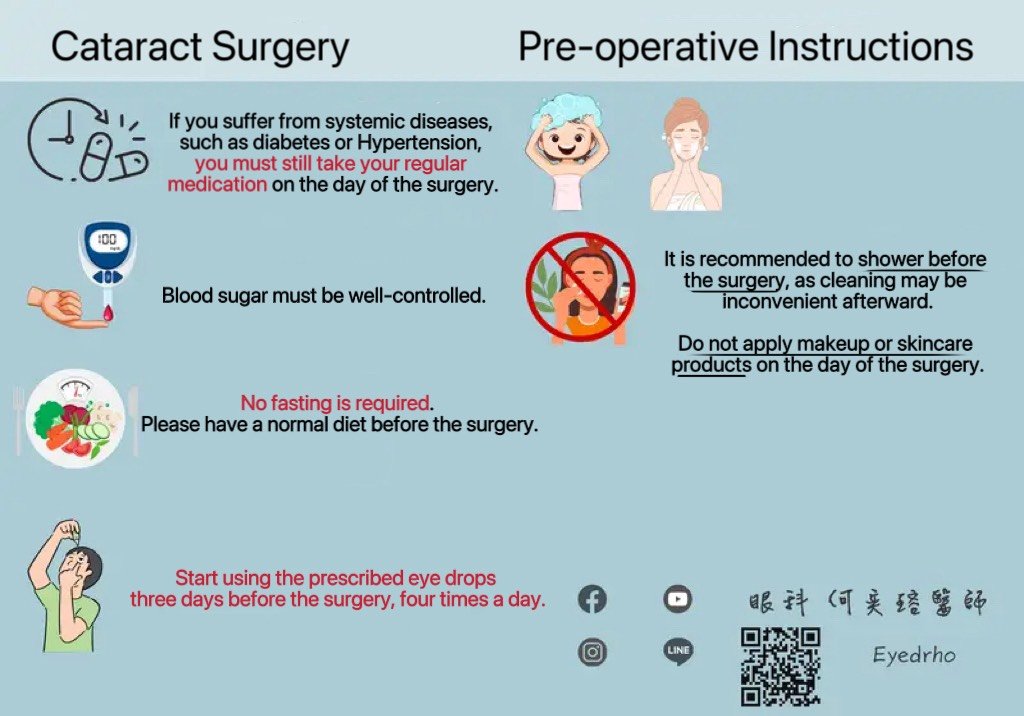
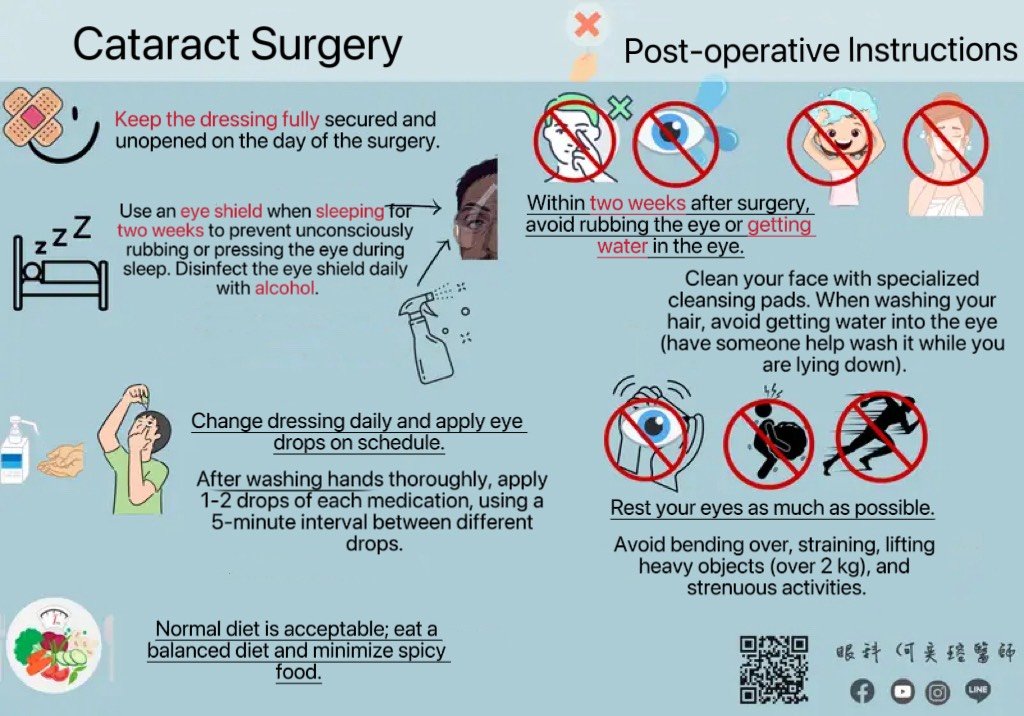
Cataract Surgery Information

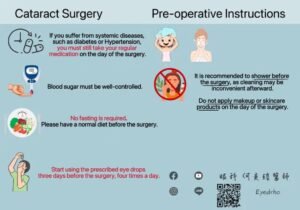
Pre-surgery
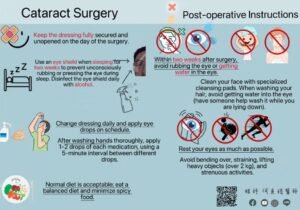
Post-surgery
QA

Common Questions Regarding Cataract Surgery

Click to expand

Cataracts have many causes, but the main problem arises from the clouding of the lens. The lens is composed of various proteins, the most important components being Crystalline (which includes $\alpha$, $\beta$, and $\gamma$ types).

Since the lens is made of protein, it can be compared to an egg. When an egg is heated and cooked, it gradually becomes cloudy and white; when the lens “cooks” or matures, it affects vision.

The most common causes of cataracts are

  1. “Degeneration” (Age-Related): As a person ages, the proteins within the lens denature and become cloudy due to natural deterioration.

  2. Congenital Cataracts: Young children may develop these due to genetic factors or incomplete development.

  3. Medication Use: Taking certain medications can cause the premature formation of cataracts.

  4. Metabolic Diseases: Cataracts caused by conditions like diabetes.

  5. High Myopia (Nearsightedness): Patients with high myopia are prone to early cataract formation. This type of cataract is often accompanied by changes in refractive error (myopia progression). Initially, vision can still be corrected with glasses, but when vision becomes severely impaired even with glasses, surgical improvement can be considered.

  6. Trauma: Impact to the lens due to injury can also cause the lens to become cloudy, which is known as Traumatic Cataracts.

Cataract maturation is like an egg cooking, where proteins denature. A cooked egg cannot be restored to a clear, raw egg by adding certain substances. Similarly, when a cataract matures, eye drops can at best only maintain its current state and slow down the maturation process; they cannot reverse or cure the cataract.

Cataracts are a phenomenon of organ aging. The key is to reduce sources of irritation: wear sunglasses and a hat to protect against UV radiation, and consume more fruits and vegetables rich in healthy antioxidants.

In the early stages of cataracts, immediate surgical intervention is usually not required. Initially, you can use eye drops to slow progression and consistently wear sunglasses and a hat to prevent further deterioration from sun/UV exposure.

When poor vision begins to cause difficulties in daily life or work, then surgical treatment can be considered.

Cataract surgery is divided into: “Femtosecond Laser-Assisted” and “Traditional Phacoemulsification Surgery.”

Femtosecond Laser

The Femtosecond Laser uses computer tomography analysis for localization and laser energy for cutting.

  • Increases precision

  • Reduces risk

  • Decreases the ultrasound energy that the cornea must withstand during surgery

Highly precise laser incisions performed with computer tomography scanning help achieve a more accurate placement of the Intraocular Lens (IOL), leading to more stable refractive outcomes (prescription) after surgery. Performing the procedure with a high-precision laser can reduce trauma to the surgical incision, allowing for faster post-operative recovery. Full computer monitoring also helps reduce surgical risks.

1.Understand your personal needs

2.Consider your financial situation (insurance/budget)

3.Do you wish to reduce your dependence on glasses?
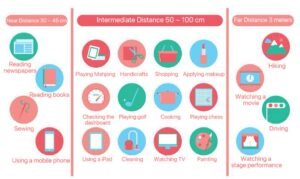
 
Many patients seeking cataract treatment face this difficult choice and often experience a #SelectionDilemma. Some might say: “Doctor, you’re the expert, please decide for me.” However… The doctor will often reply: “My friend, this is a question you must answer yourself.” The choice of IOL is highly related to your #LifestyleHabits, #VisualHabits, #Needs, and even your #FinancialStatus.
 

Ophthalmologists generally respect the patient’s choice and do not mandate or specify a particular premium IOL.

Will the out-of-pocket cost for a functional IOL cause you too much strain? If so, you do not need to consider it; even a standard (Monofocal) lens can allow you to live well 🙂.

 
Functional Intraocular Lenses (IOLs) can reduce the need for glasses. Patients need to understand their own situation. Here are the factors to consider when selecting an IOL: 🔍


Key Questions:

Do you #RideMotorcycles or #Drive? Do you drive #AtNight? Do you use a #Computer? Do you use a #MobilePhone? Do you handle #Paperwork? Do you read #Newspapers? Are there any other #SpecialVisualNeeds?


There is also another group Who do none of the above, but primarily focus on #Housework, #Gardening, and #CaringForPlants in their daily life.

 
(The final choice is not limited to these factors; it is recommended that you discuss and decide with your physician during your consultation.)
 

Intraocular Lens (IOL) brands and models are diverse and plentiful. How should one go about understanding them?

Let’s first make a broad decision based on #Function only.
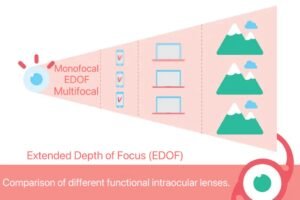
 
 
#Monofocal – Provides clear vision at a single distance; other distances require the aid of glasses.
 
#ExtendedDepthofFocus (EDOF) – Provides excellent distance vision, plus an #IntermediateToNear range (covering common daily distances like using a computer or doing housework, but tasks that are closer, such as using a mobile phone or detailed paperwork, will require the aid of reading glasses).
 
 
#Multifocal and Extended Depth of Focus (EDOF) or other Multi-Distance IOLs – Primarily target patients with diverse needs who wish to cover distance, intermediate, and near vision.
 
However, special  IOLs have specific factors that need to be considered. You can discuss the detailed aspects based on your personal needs with your physician during the consultation.
 

#ToricIOLs#IsACorrectingIOLNecessary?

First, evaluate the severity of your astigmatism. Correction is only needed beyond a certain degree. If the degree of astigmatism is high and regular, correction is recommended to reduce the astigmatism and enhance visual quality.


 
Are there any other related eye diseases? Such as #Glaucoma, #Retinopathy, #MacularDegeneration, or #RetinalDetachment, etc.
 
Another frequently asked topic is #Price. Recently, there was a #LensPricingWar. Generally, the IOLs on the market are regulated according to their function, meaning they have a standardized price in the market, especially at hospitals and chain clinics. Therefore, there is usually no need to spend effort on price comparison.
 
After understanding your personal needs, you can discuss them with your physician during your consultation. Wishing everyone a safe and successful outcome in the end! ☺️

Generally, the replacement  of an artificial intraocular lens (IOL) is not recommended, especially after a significant period following the initial surgery.
This is because over time, the IOL adheres to the eye’s internal structures. Consequently, exchanging the artificial lens carries numerous risks and is therefore generally discouraged.

The post-operative care procedures following cataract surgery are standard and generally do not differ regardless of the type of intraocular lens used.

Generally, almost all cataract patients are suitable candidates for femtosecond laser-assisted cataract surgery (FLACS).

Alternative methods for cataract removal are only necessary if you have specific ocular conditions, such as significant corneal scarring or other complications.

However, regardless of the surgical method employed, patients should always undergo a professional assessment and discussion with their physician to determine the most appropriate surgical approach before receiving treatment.

There is no difference in post-operative care between FLACS and conventional cataract surgery.

Generally, patients are able to return home on the same day the surgery is completed, and vision should recover enough by the next day for normal, routine use.

For standard clerical work, there should be no adverse effect, and you can resume these duties the following day, though adequate rest should still be prioritized.

For the first two weeks, it is advisable to avoid strenuous physical labor and activities, while strictly adhering to all necessary protective measures for the eyes.

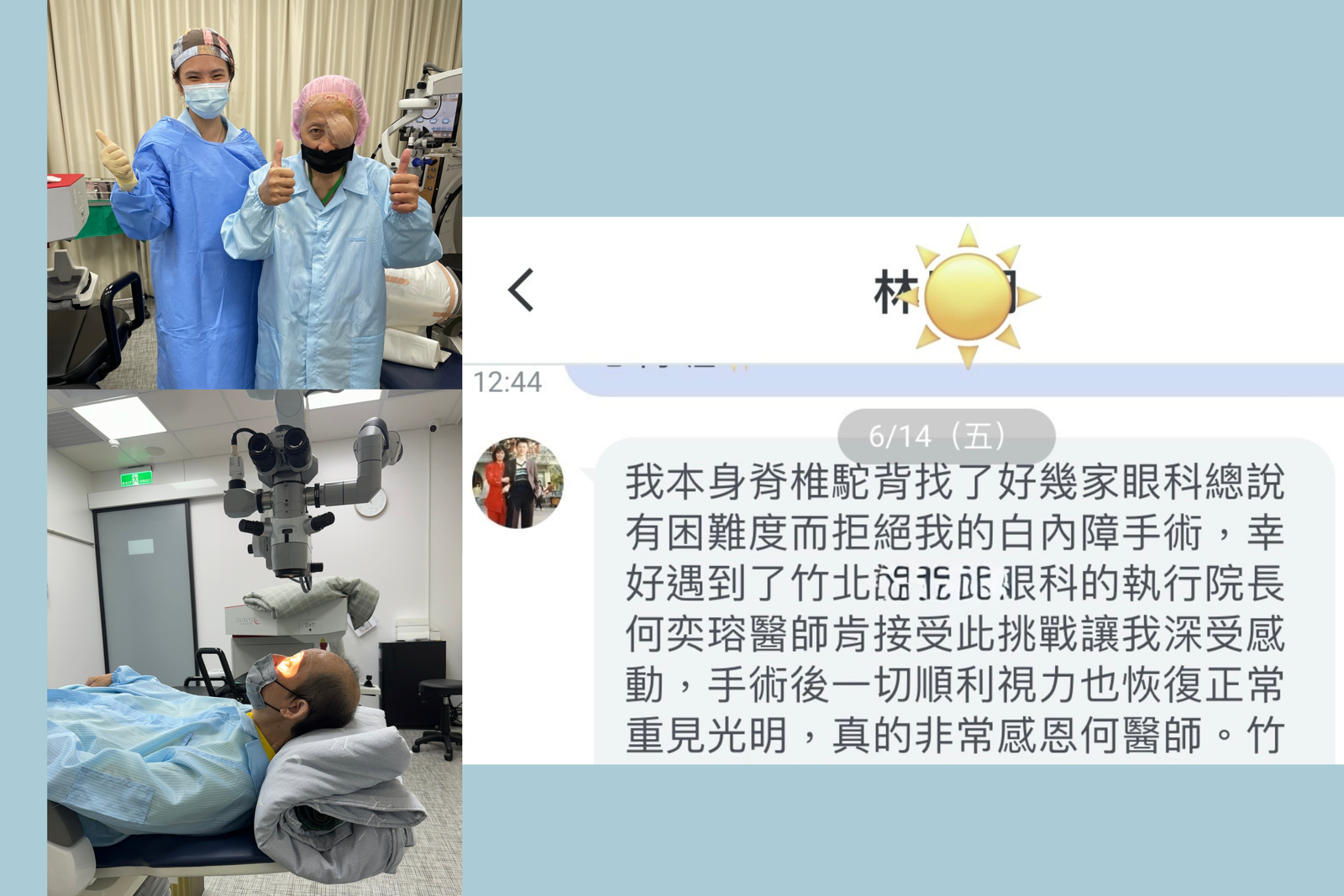
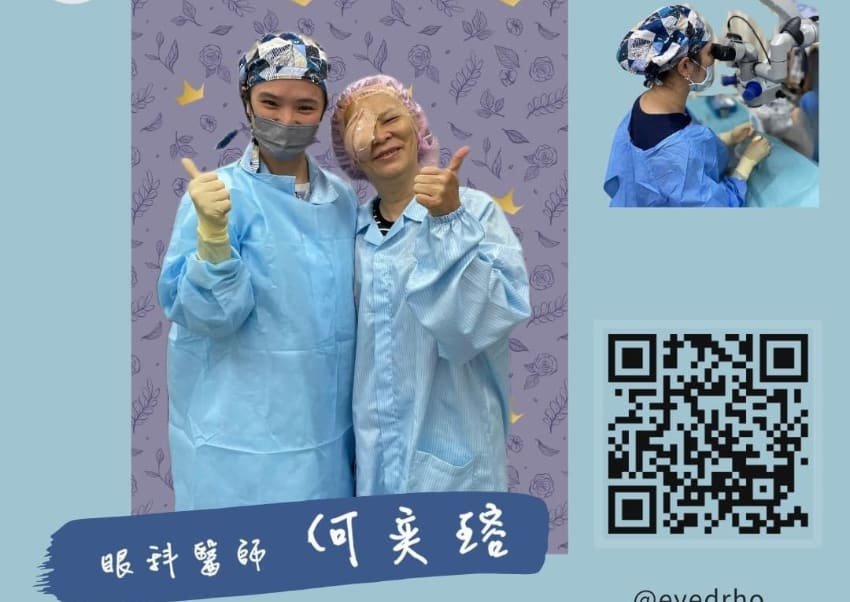
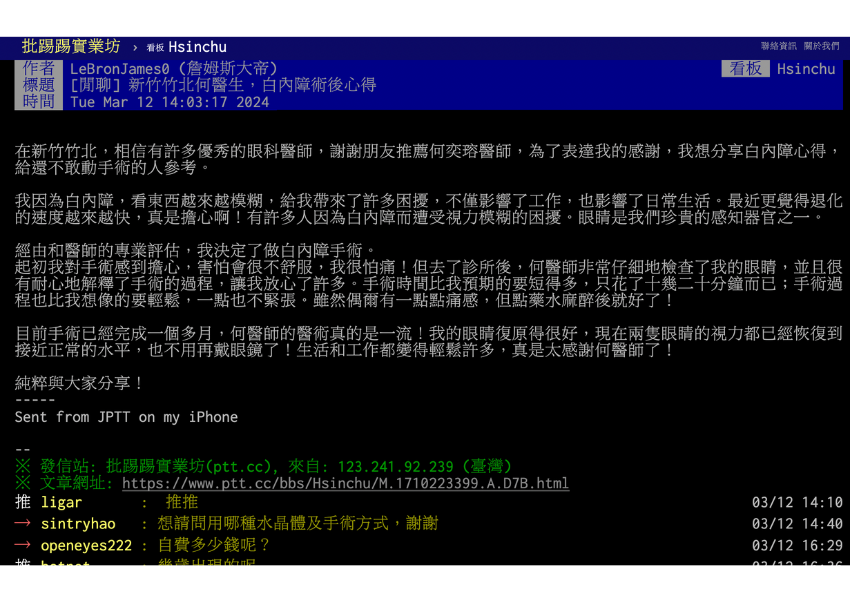
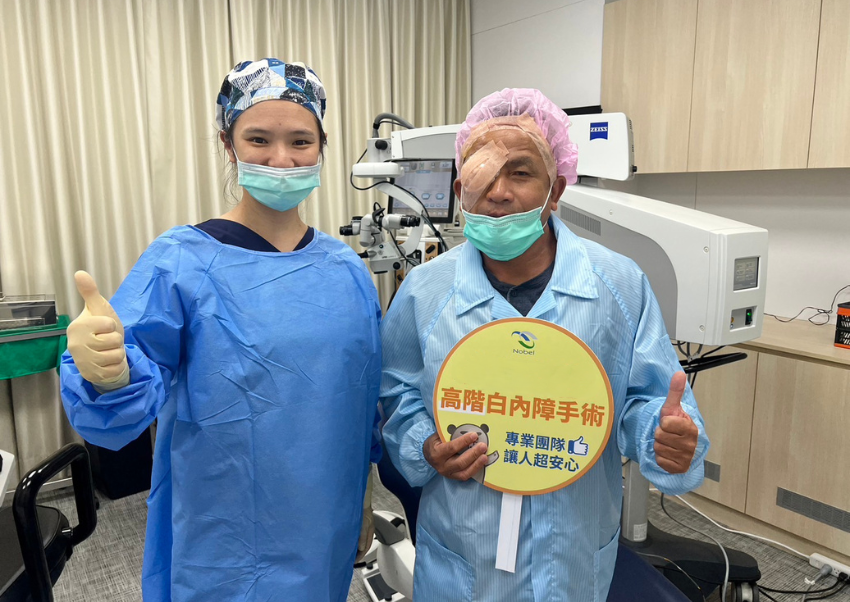
Feedback

FEEDBACK

更多回饋

  • 1
  • 2