Laser Vision Correction
Article Outline

Laser Vision Correction

Whenever someone comes in for a consultation regarding laser vision correction (LASIK/SMILE), we always ask about their motivation. Most people simply say, “Wearing glasses is a hassle; I just want more convenience.”

But is it just about convenience? Many who have undergone the procedure are often left in awe, feeling as though they’ve been given a “second life.” In the Hsinchu and Zhubei area—a hub for tech engineers and highly educated professionals—high myopia is incredibly common. For many here, living without visual aids is almost like being blind.

The reasons for choosing surgery are diverse and deeply personal:

  • The Cleanroom Struggle: Some work in semiconductor cleanrooms where being fully suited up plus wearing glasses leads to constant fogging, interfering with precision work.

  • The Parenthood Challenge: New parents need to handle midnight feedings or sudden emergencies; glasses often get knocked off or “flying-kicked” by active toddlers.

  • Contact Lens Intolerance: Many cannot wear glasses for work but find that their eyes can no longer tolerate long hours of contact lens wear, leading to extreme discomfort.

  • The Athlete’s Burden: Whether it’s the risk of impact, sweat causing glasses to slide, or the constant shifting during intense movement, glasses are a major hindrance to sports.

  • Underwater Adventures: For diving enthusiasts, neither glasses nor contacts are ideal for exploring the ocean depths.

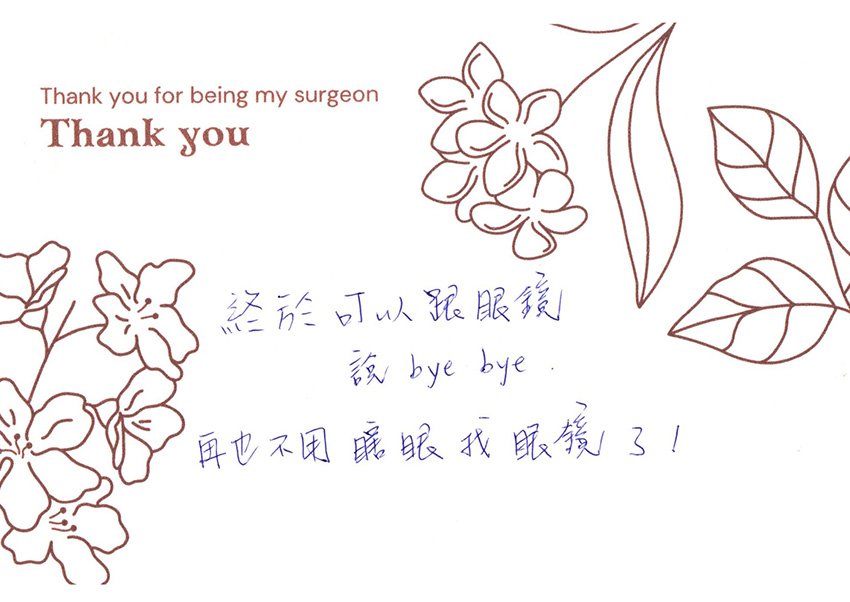
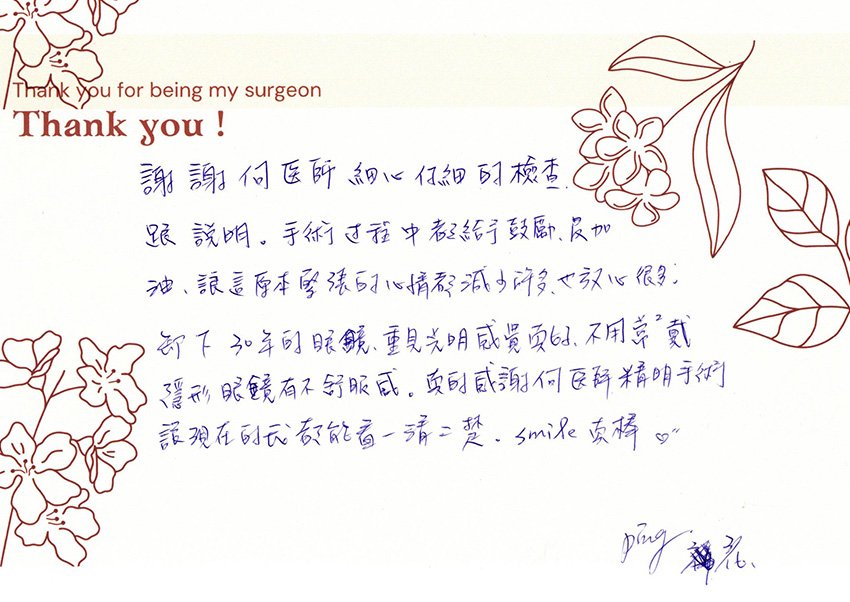
After the procedure, the most common sentiment is: “I finally have my vision back.”

Post-Surgery “Glitches”: Funny Habits That Stick

Beyond the clarity, many share hilarious “phantom” habits they can’t seem to shake:

  • The Ghost Push: Habitually trying to push up glasses on the bridge of your nose, only to realize there’s nothing there! 😆

  • The Nighttime Panic: Getting ready for bed or a shower and trying to pinch out contact lenses that aren’t even there. 🤷


Are glasses getting in your way?

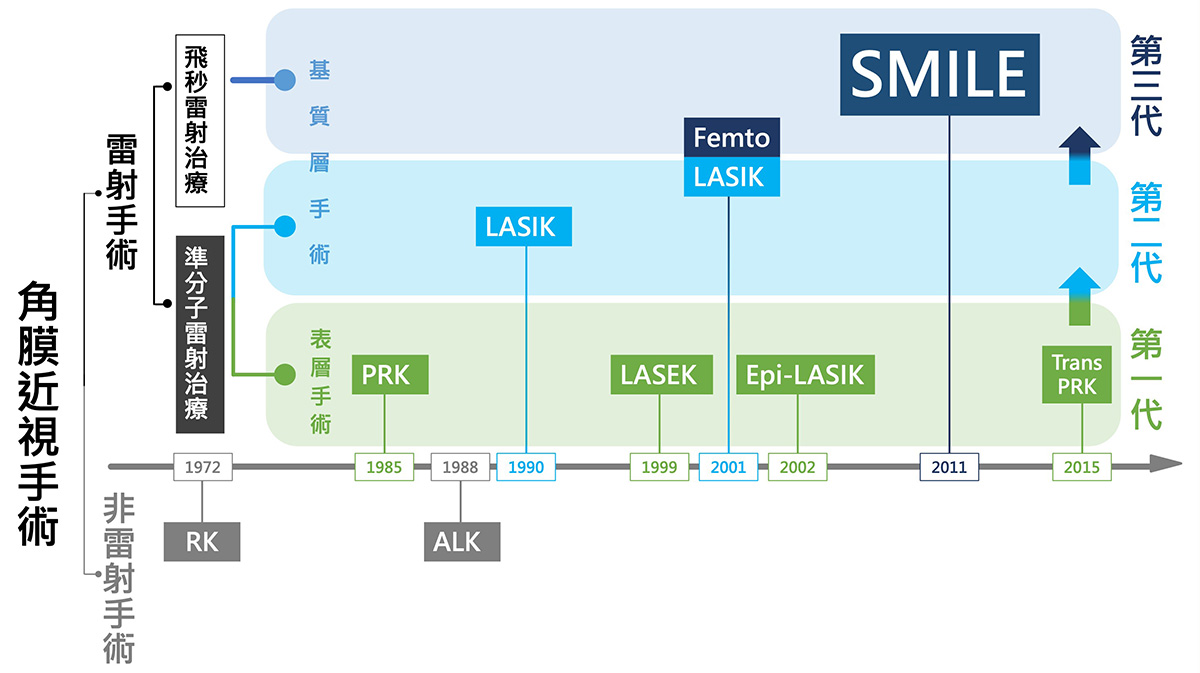
The Evolution of Laser Vision Correction

The most expensive and newest tech isn’t necessarily the best choice. It’s about finding the right fit through professional assessment.
*Click to enlarge

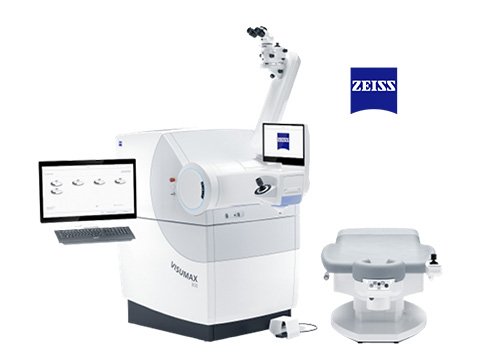
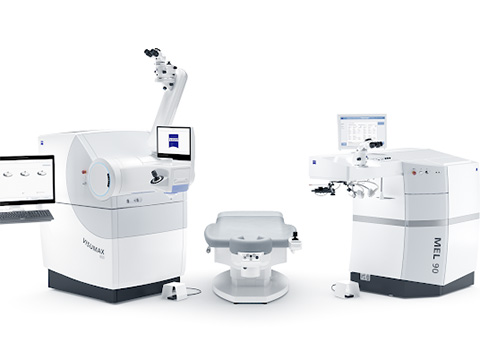
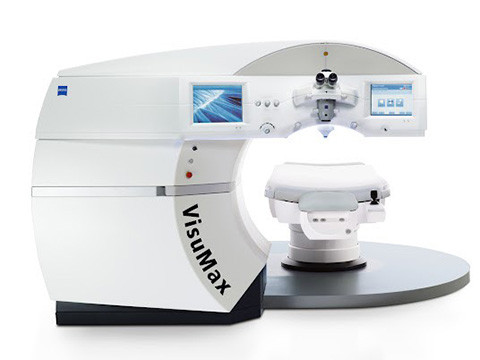
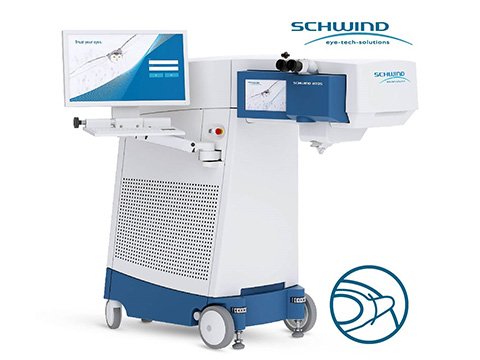
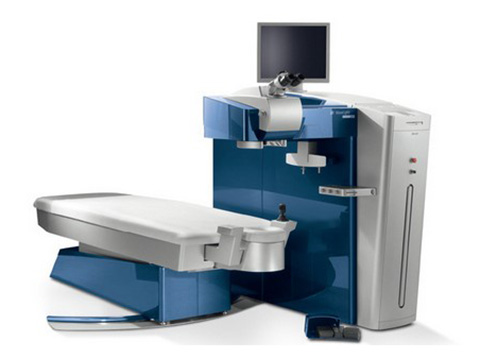
Professional Equipment Overview

Process

Procedure & Equipment Comparison

Process

A Comprehensive Comparison of Surgical Procedures

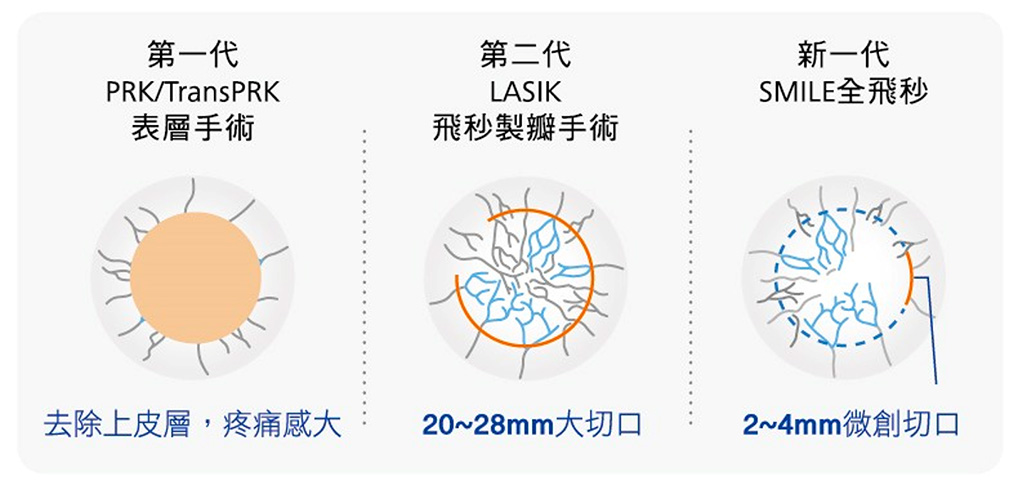
PRK

(Photorefractive Keratectomy)

-PRK is a surface ablation procedure that corrects vision by removing the outer epithelial layer of the cornea. During the surgery, this epithelial layer is gently brushed away or dissolved. The laser is then applied directly to the exposed corneal surface to reshape its curvature, thereby correcting nearsightedness (myopia).

The recovery process for PRK is relatively longer compared to other methods, and it may take several weeks for your vision to reach its optimal clarity.

LASIK

 (Laser-Assisted In Situ Keratomileusis)

LASIK is a surgical procedure that corrects vision by creating a thin flap on the cornea. During the process, the surgeon uses a microkeratome or a femtosecond laser to create this flap, which is then gently lifted. Next, the laser is applied to the underlying corneal tissue to reshape it, and the flap is carefully repositioned to its original place.

The recovery time for LASIK is relatively fast; patients typically achieve significantly improved vision within just a few days.

Small Incision Lenticule Extraction

(SMILE、ATOS)

SMILE is the latest advancement in laser vision correction, offering a more minimally invasive approach compared to PRK and LASIK. During the procedure, the surgeon uses a femtosecond laser to create a tiny, precise lens-shaped tissue (lenticule) and a small incision within the cornea, through which the lenticule is then removed. Because this technique does not require the creation of a corneal flap, recovery is relatively fast.

Furthermore, SMILE has the advantage of preserving more of the cornea’s natural structural integrity, making it a potentially better option for patients in specific clinical conditions.

Click to enlarge

Process

Pre-Operative Evaluation & Consultation

In-depth consultation to understand your unique needs.

Medical Center Standards

Advanced Eye Health Examination

In-depth consultation to understand your unique needs.

Process

Professional Medical Team

Process

Step-by-Step Guide to Each Procedure

PRK / TransPRK Steps

Epithelial Ablation

LASIK Steps

Precise Laser Positioning

Minimally Invasive Lenticule Extraction

Precise Laser Positioning

FEEDBACK

Every surgical procedure carries potential risks. Following pre-operative, intra-operative, and post-operative instructions is essential to help minimize these risks.

Example: Wound Infection

  • Preventive Measures: Use antibiotic eye drops as prescribed to prevent bacterial growth.

  • Protection: Avoid rubbing your eyes or touching the wound area to ensure proper healing.

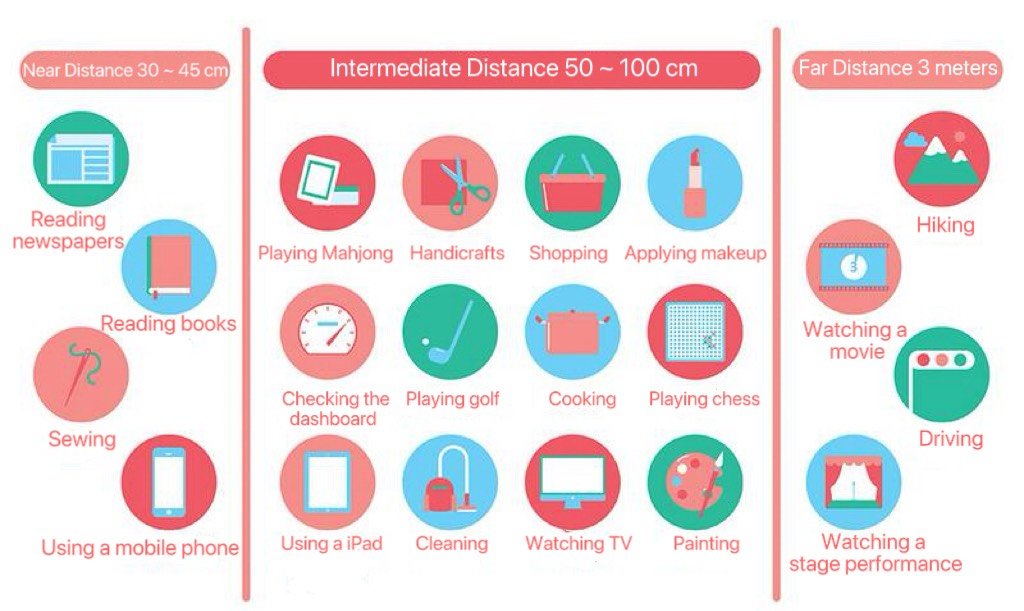
Refractive laser surgery is not strictly limited by age. However, as presbyopia (age-related near vision loss) progresses, it significantly changes your visual habits. Therefore, a thorough evaluation and an understanding of your personal lifestyle are essential to creating a customized surgical plan.

Original Link:
https://www.facebook.com/share/15L6Cays4v/
 
#Special Report: Cataracts Part2 Dry Eye & Surgical FAQ #Dry Eye Disease still have surgery
————-————-————-
Dry eye syndrome can significantly impact post-operative visual quality; therefore, it must be taken seriously!
————-————-————-
————-————-————-
A comprehensive series of examinations is conducted before Cataract, Myopia, or Presbyopia surgery. If dry eye syndrome is detected, we strongly recommend treating the condition first to stabilize the ocular surface before proceeding with the operation.
📝1. #Finding the right artificial tears for you.,To enhance your tear film, we recommend using preservative-free artificial tears. Formulations with added hyaluronic acid for hydration or lipids for oil replenishment can effectively stabilize your eye surface.
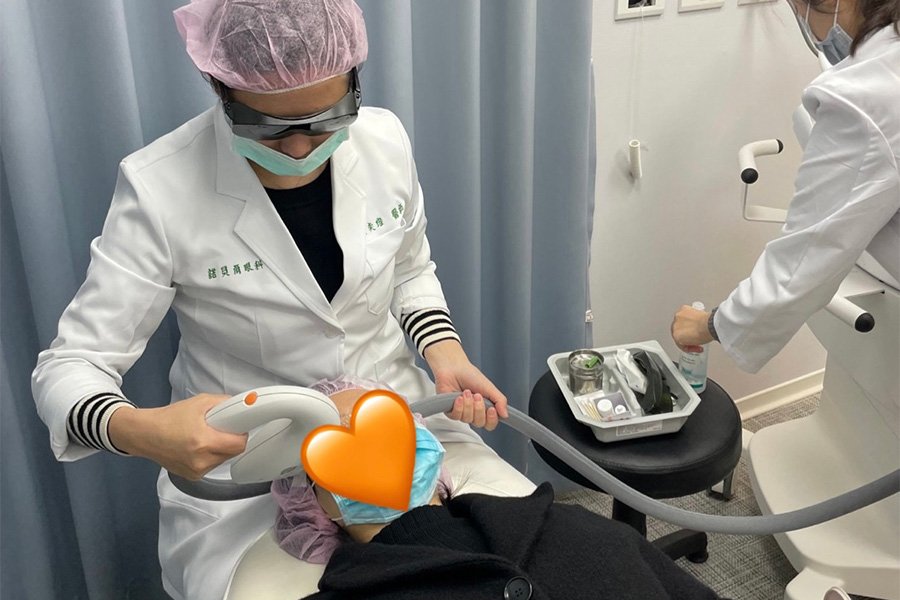
📝2. #Utilizing the latest technology#IPL (Intense Pulsed Light) therapy—to treat dry eye syndrome.,This treatment is particularly effective for dry eye caused by Meibomian Gland Dysfunction (MGD). IPL therapy targets the skin around the eyes to unclog blocked meibomian glands, restoring the natural flow of oils to stabilize the tear film and reduce dryness. Furthermore, for patients experiencing discomfort, we recommend regular home care—specifically, warm compresses. Whether using a warm towel or a convenient heated eye mask that fits your lifestyle, consistent use can significantly alleviate dry eye symptoms.

It really depends on your work requirements. If your job doesn’t involve heavy visual strain, you might find that you can resume normal activities later that day or by the next morning.

FEEDBACK