



Understanding Presbyopia
Presbyopia Laser Surgery&Treatments
Article Outline

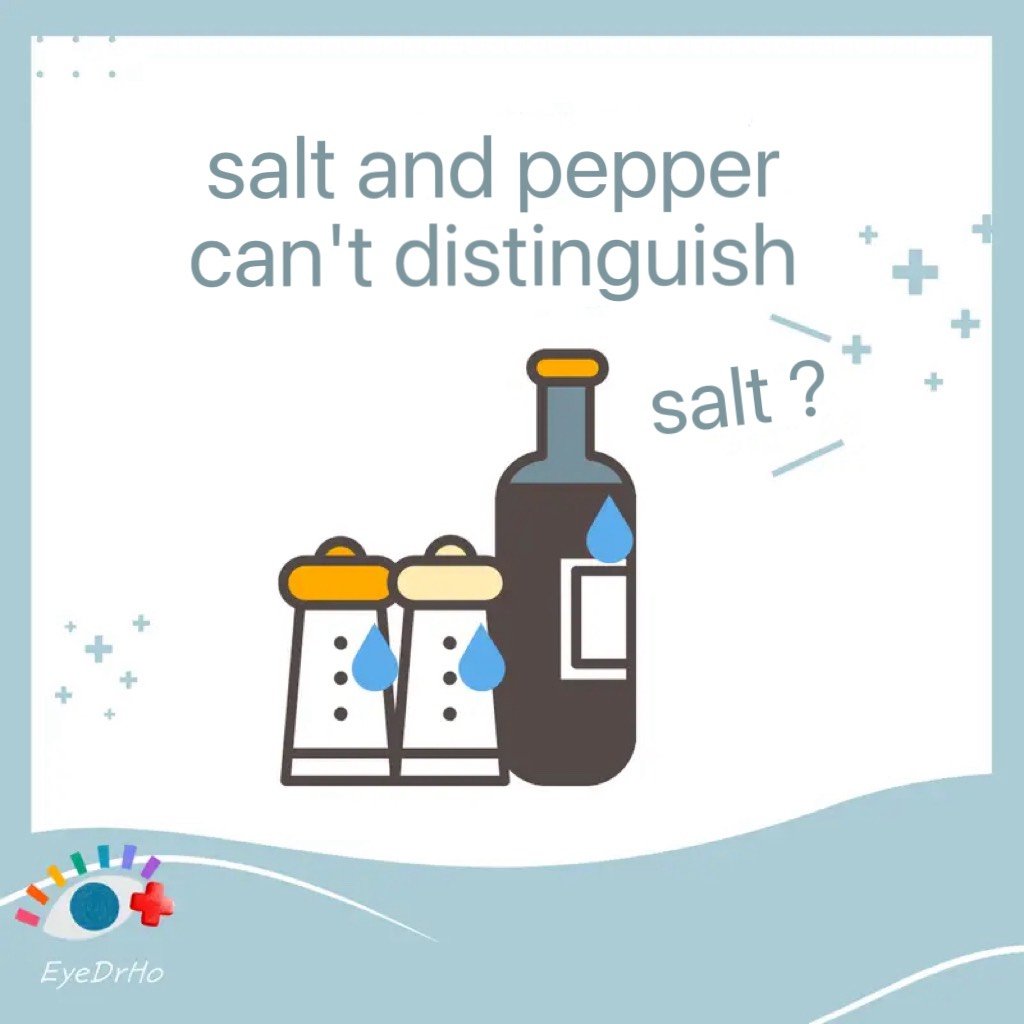
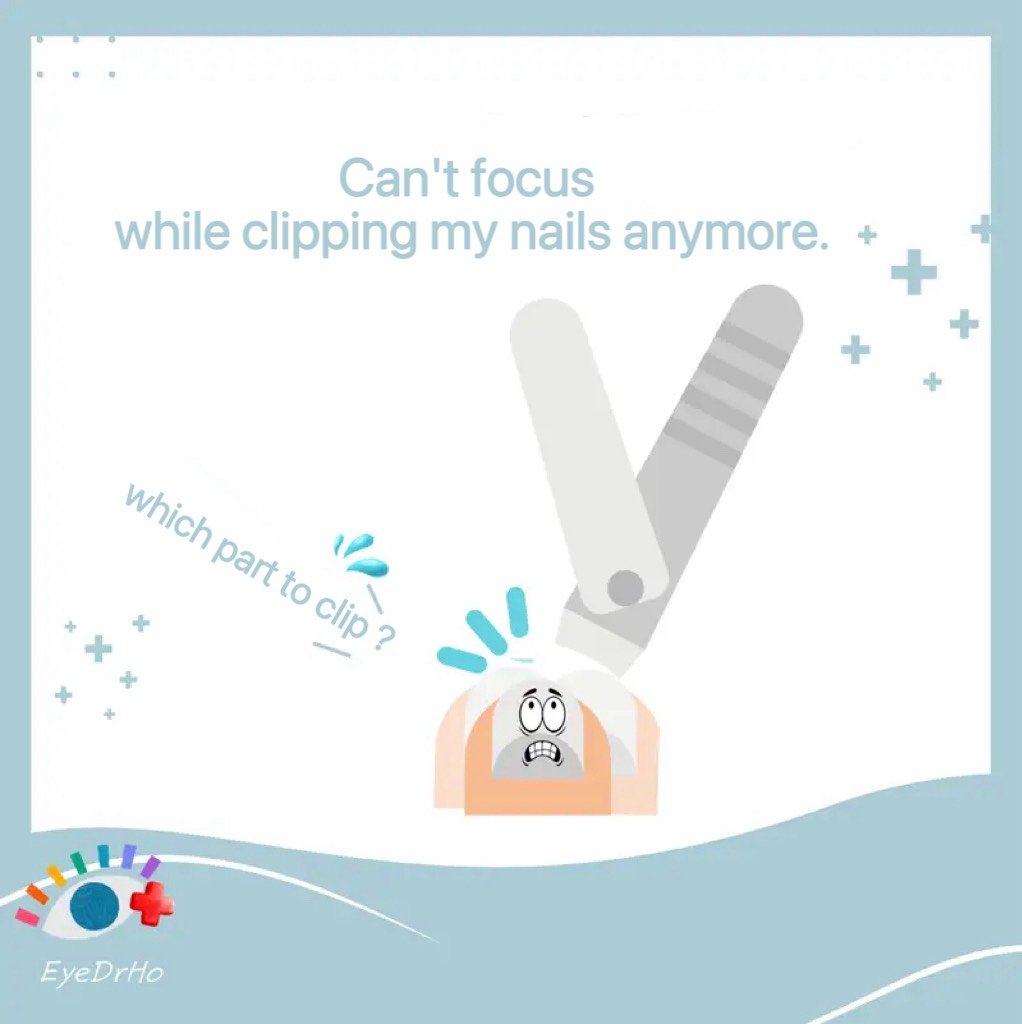
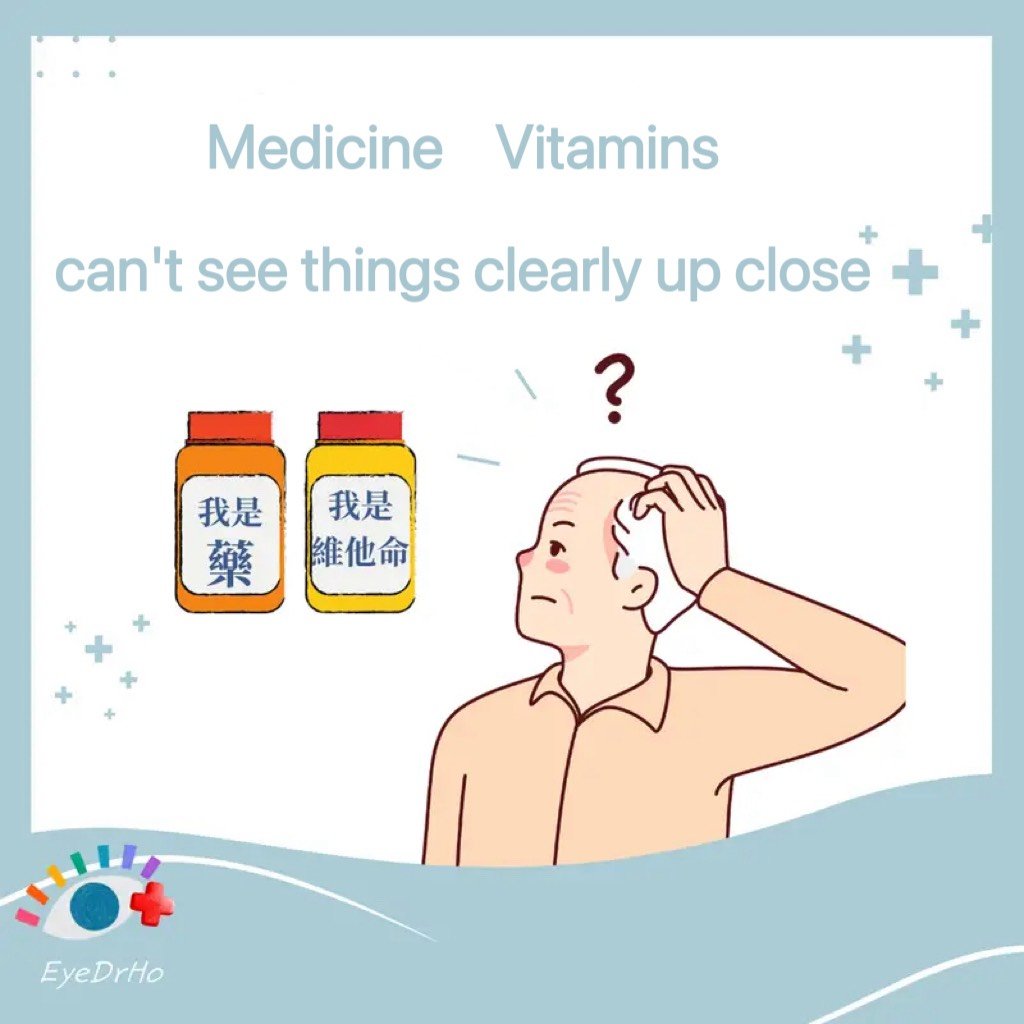
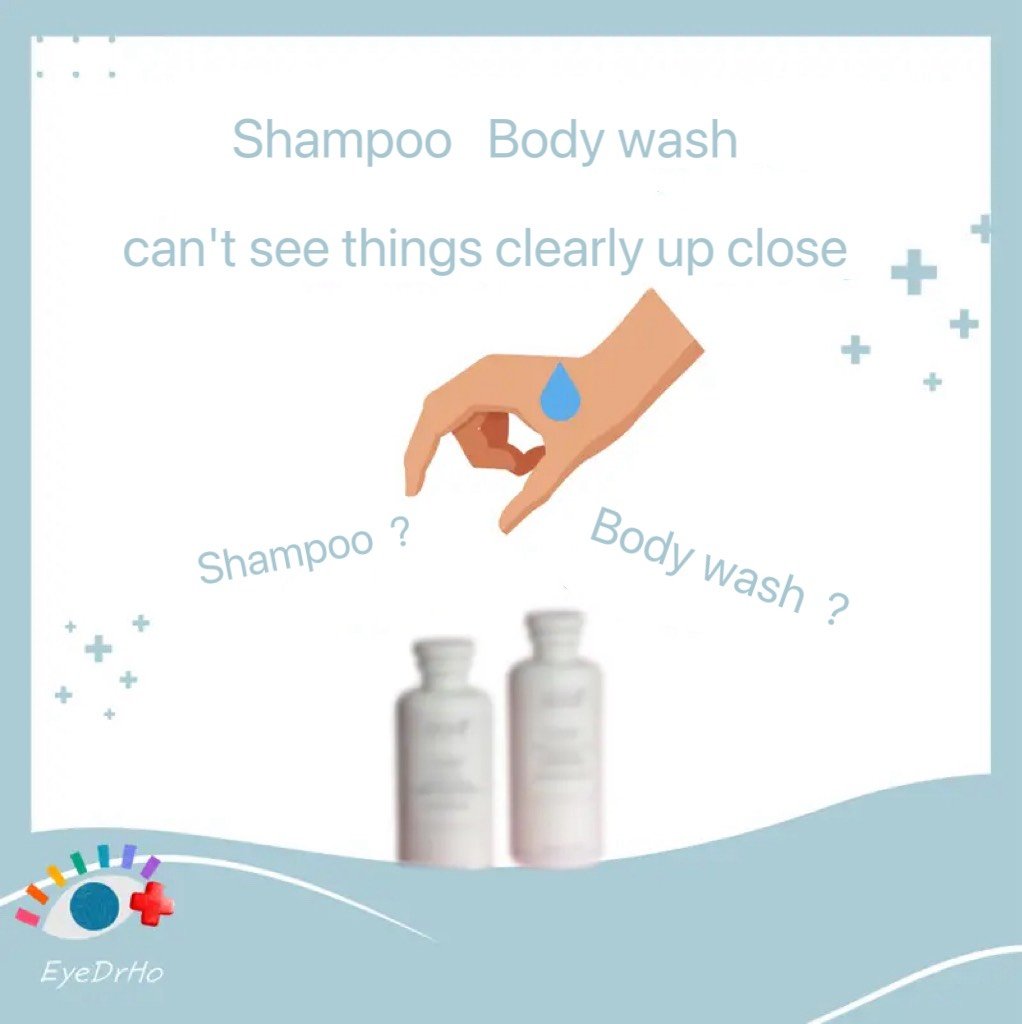
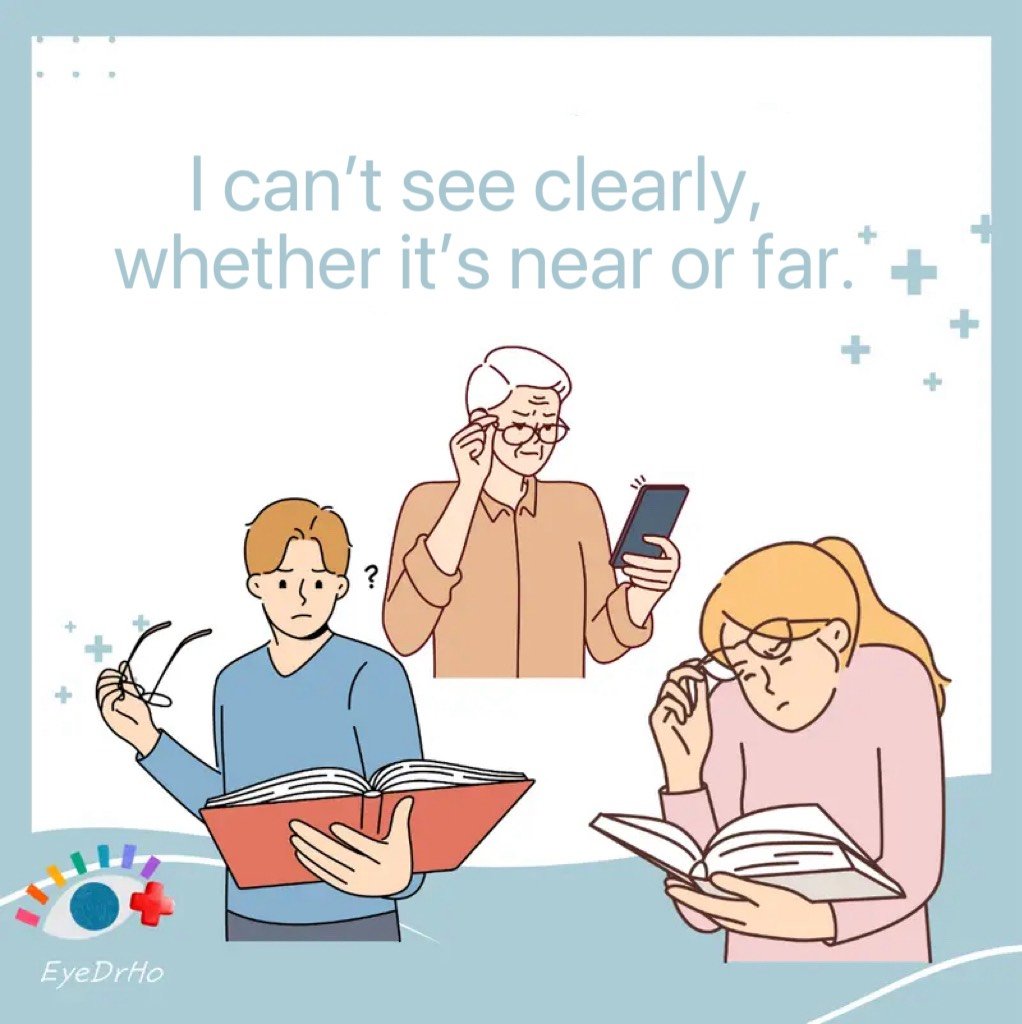
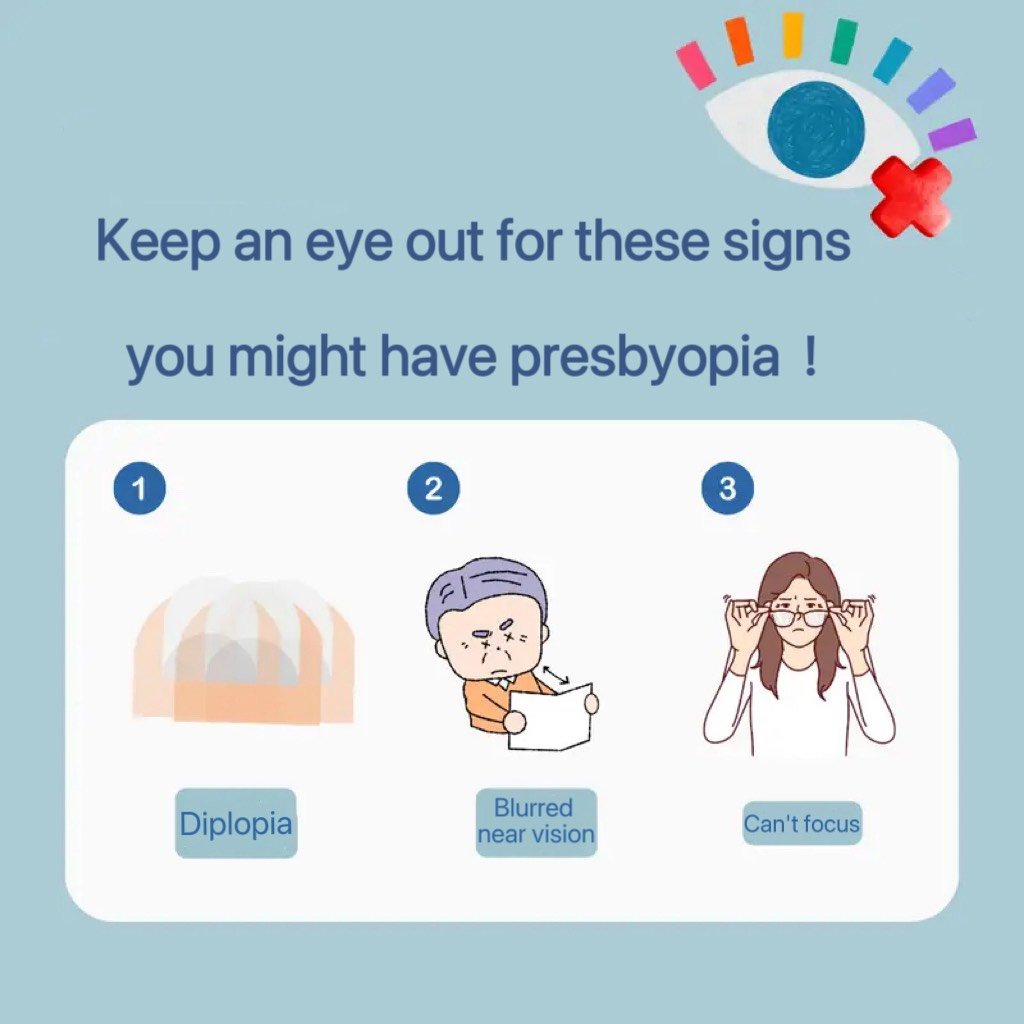
Do you have these symptoms?
Watch out! Presbyopia might be catching up with you!
What is Presbyopia ?

The Ultimate Visual Guide to Understanding Presbyopia

📸 What is Presbyopia? A Simple Visual Guide to Understanding It Instantly!

Our eyes are like a precision camera!

  • The Structure of the Eye: Think of it as the camera body and the film inside.

  • The Lens: This is the eye’s “zoom lens.” It changes shape to adjust focus, ensuring everything looks sharp whether you’re looking at something far away or up close.

The Cause of Presbyopia: Losing Its Elasticity!

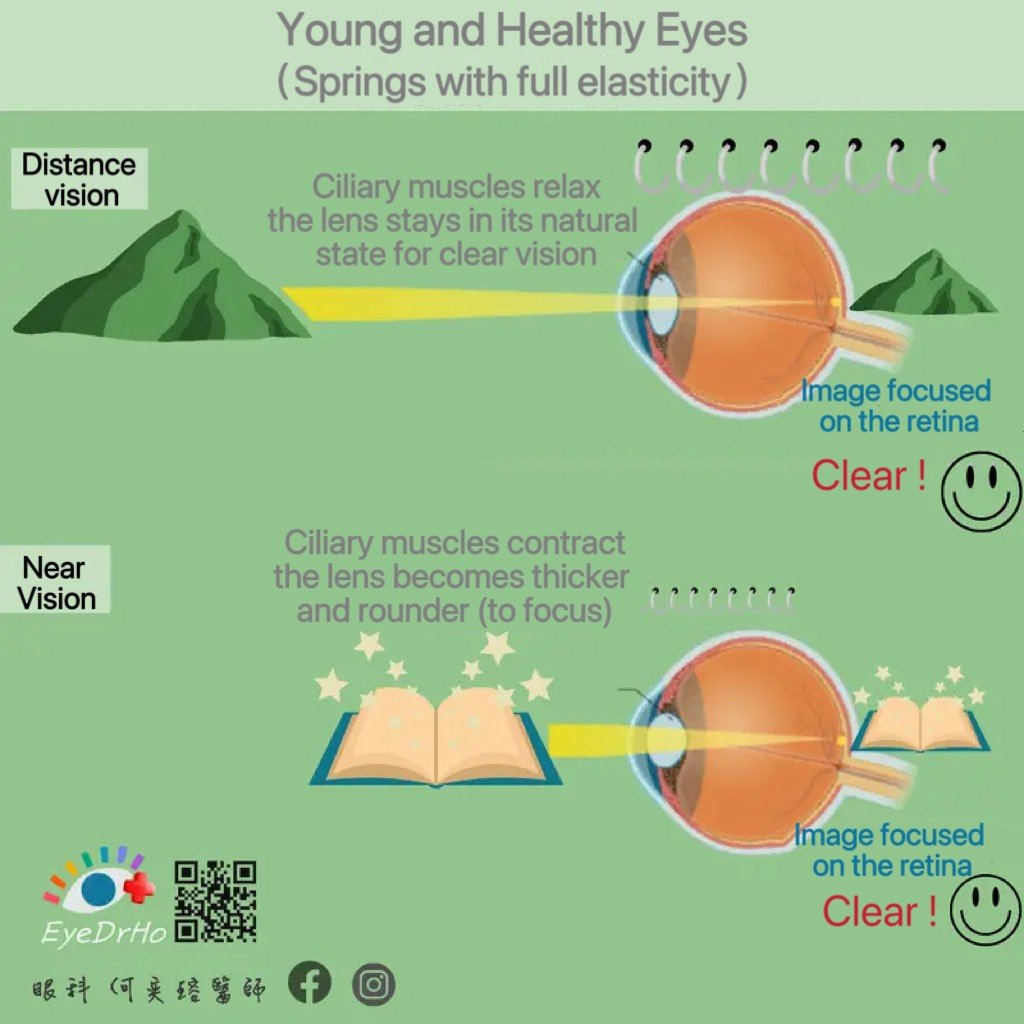
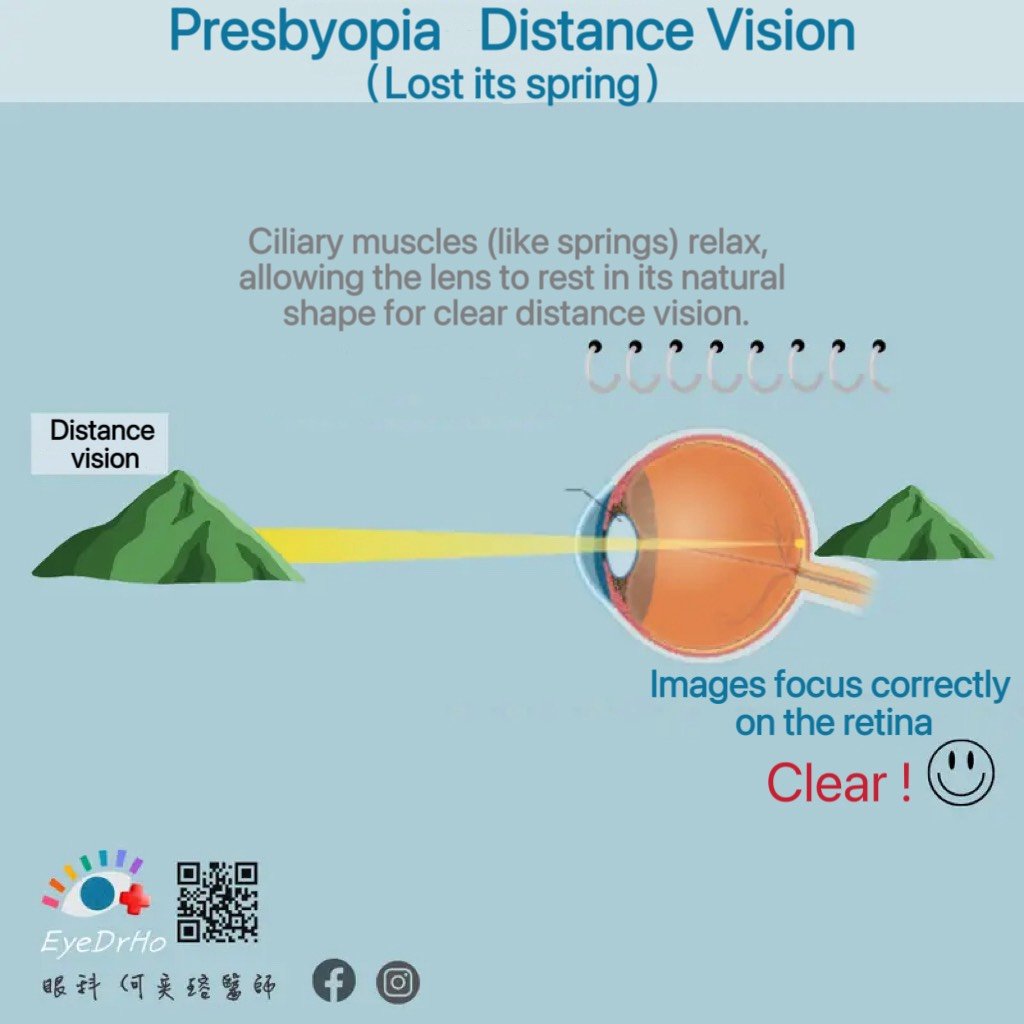
Presbyopia is actually a natural part of the eye’s aging process. You can think of your eye’s “autofocus ability” as the elasticity of a spring.

  1. In younger years:

    The lens acts like a healthy, elastic spring. It relaxes for distant vision and rapidly adjusts its shape for near vision, enabling a seamless ‘auto-focus‘ that lets you see clearly at all distances.

  2. After turning 40:

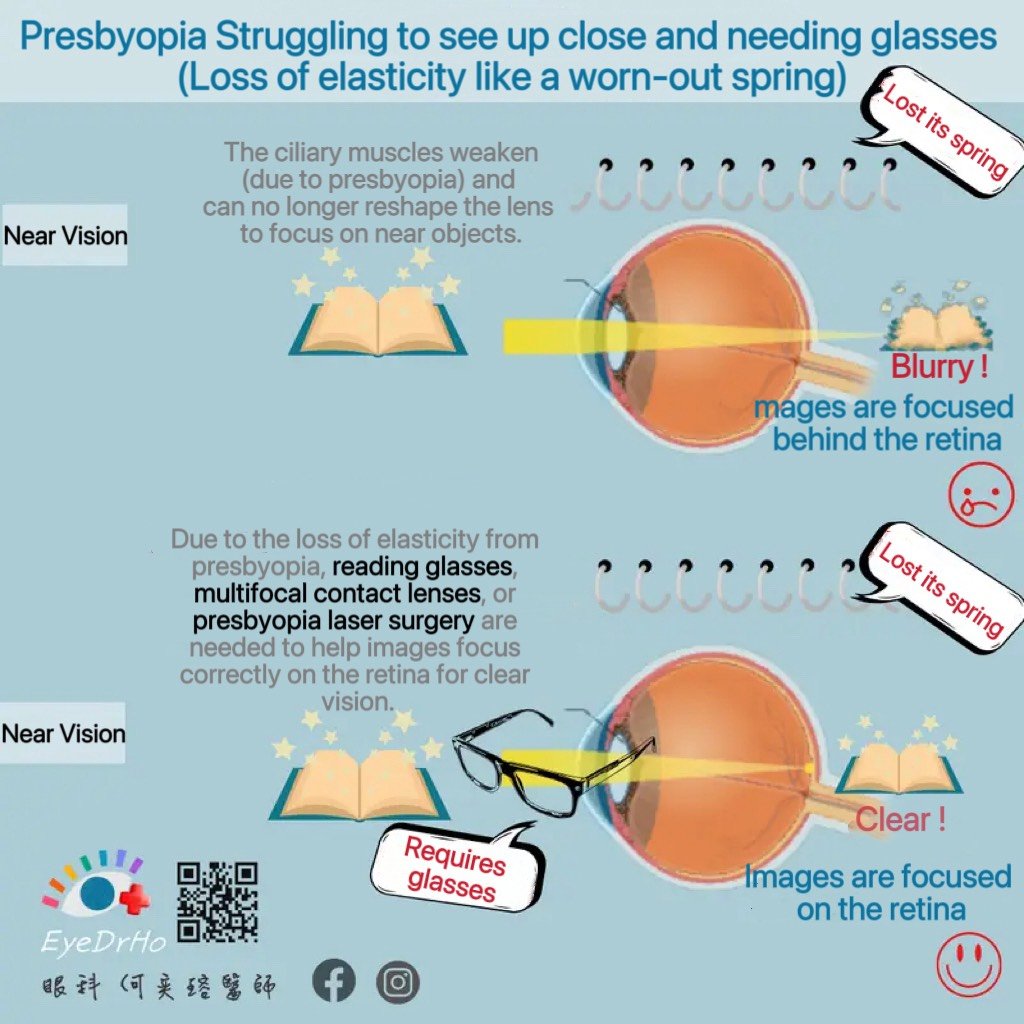
    As we age, this spring loses its elasticity. The lens and the surrounding ciliary muscles begin to weaken, so they can no longer zoom and focus on near objects as quickly and accurately as they did in your younger years.

When this ‘auto-focus‘ function weakens, slows down, or is eventually lost, near objects like your phone or a book will start to look blurry. This is what we call presbyopia.


The 4 stages of presbyopia: Which category do you fall into?):

Presbyopia usually sets in around age 40, but since everyone starts with different vision conditions, the symptoms can vary from person to person.:

 
  1. Emmetropia (or Low myopes)

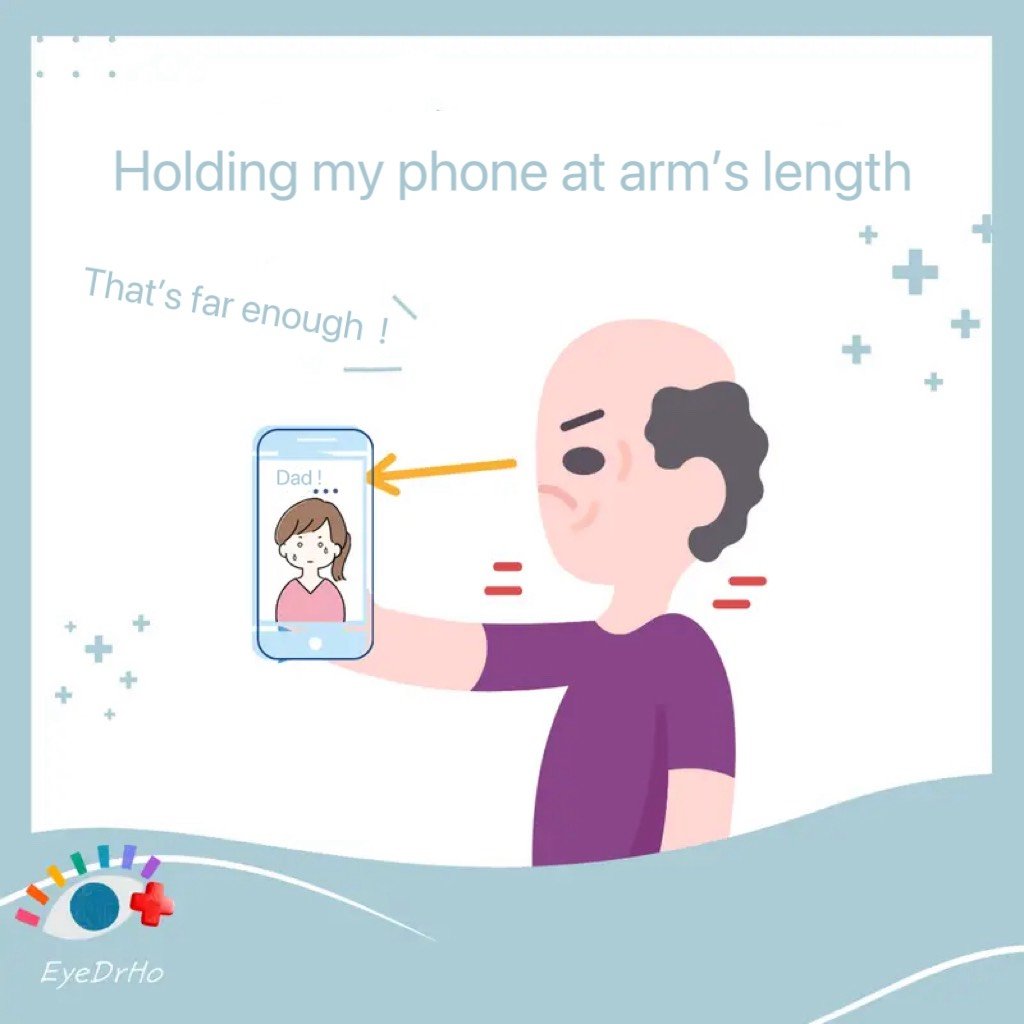
    • When reading a book or checking your phone, you unconsciously hold them further away to see the text clearly.

       
    • or you might find yourself needing a pair of reading glasses to help your eyes focus on things up close.

  2. Moderate nearsightedness:

    • Distance vision with glasses: Clear

    • Near Vision (with glasses): Blurred. Common reactions: Pushing glasses up, increasing reading distance, or removing glasses to see near objects clearly.

  3. High nearsightedness

    • Wearing glasses: Same as moderate myopes; you need to adjust or remove your glasses for near vision.

    • Without glasses: Due to high myopia, distance vision remains poor, and the natural focal point is often too close for a comfortable reading distance. This can lead to blurred vision at all ranges.

💡The Fix: To compensate for the aging of your natural lens, glasses or contact lenses act as an essential aid. By refocusing light onto the retina, they restore your vision, allowing you to enjoy a clear life once again.

Introduction to Presbyopia Treatments

What should you do once presbyopia begins?” A Comprehensive Guide to Presbyopia Treatments

If your symptoms are still mild and haven’t reached the stage where glasses or surgery are necessary, you may still experience eye strain and discomfort. To manage this, you can start with ciliary muscle relaxants prescribed during a clinic visit to alleviate symptoms. This can be supplemented with warm compresses and proper rest (the 30-10 rule: rest for 10 minutes after every 30 minutes of eye use).

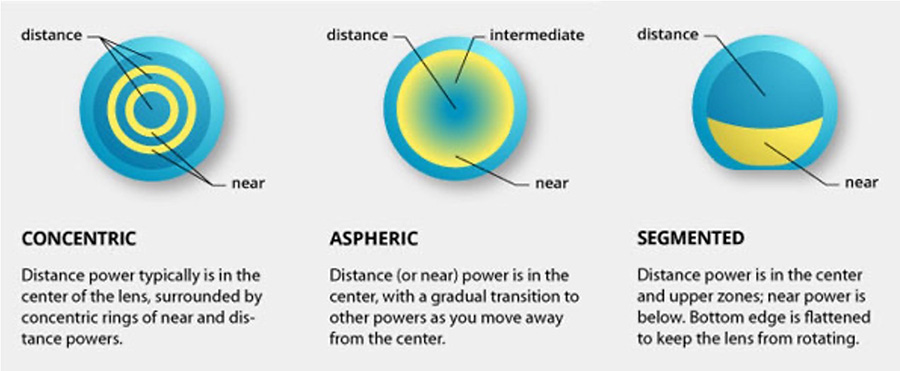
Wearing Multifocal Contact Lenses:

When symptoms interfere with your work and daily life , it’s time to seek further assistance to restore your visual comfort:

「When the spring loses its bounce, we can apply an ‘external force’ to help it regain its strength.」
「When the built-in lens can’t focus, we add an external lens to help.」
 
[Traditional Methods] Non-Surgical Treatments
  1. Wearing Reading Glasses (Available in Single Vision or Multifocal): This is a common solution where you choose the appropriate prescription based on your specific visual needs.

    Lens Options:

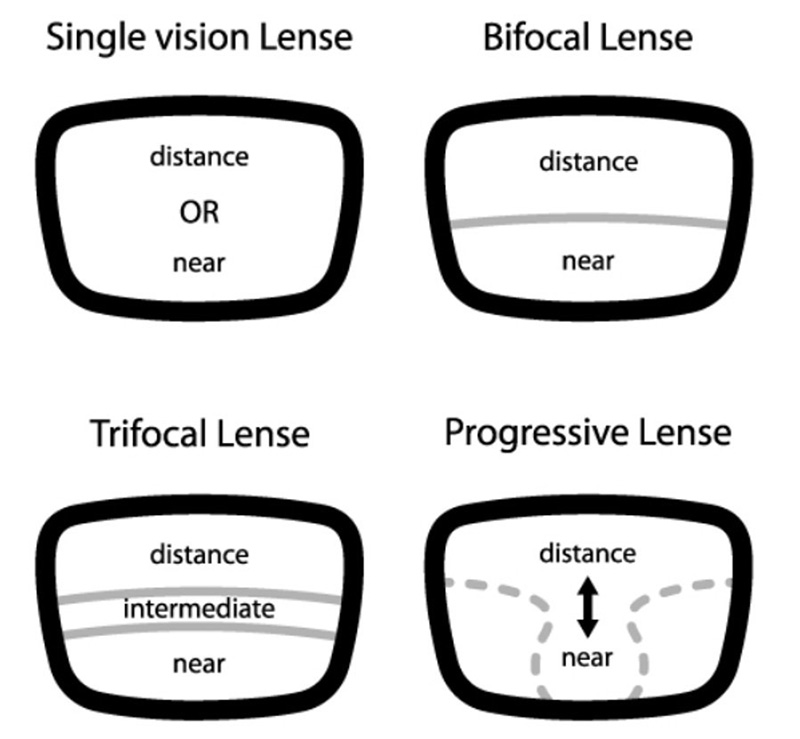
    • Single Vision Lenses: These are designed solely for near vision. You will need to remove them to see far away or switch to a separate pair for distance vision.

    • Multifocal (Progressive) Lenses: These lenses feature different zones for far and near vision. They are designed based on the natural movement of the eyes—looking straight ahead for distance and shifting downward for near tasks. While more convenient, they still require the use of frames, and some people may experience dizziness due to the rapid transition between different focal points.

Wearing Multifocal Contact Lenses

When symptoms interfere with your work and daily life , it’s time to seek further assistance to restore your visual comfort:

Tired of the constant struggle with glasses and dry eyes from contact lenses? The frustration of needing to hold a menu at arm’s length can make us feel older than we are. In response to this universal desire for ‘eternal youth,’ modern science has revolutionized eye care. Using sophisticated optical physics, we now offer [Surgical Solutions]—the ultimate technological answer to keeping your eyes young:”

Choosing Your Surgical Solution for Presbyopia

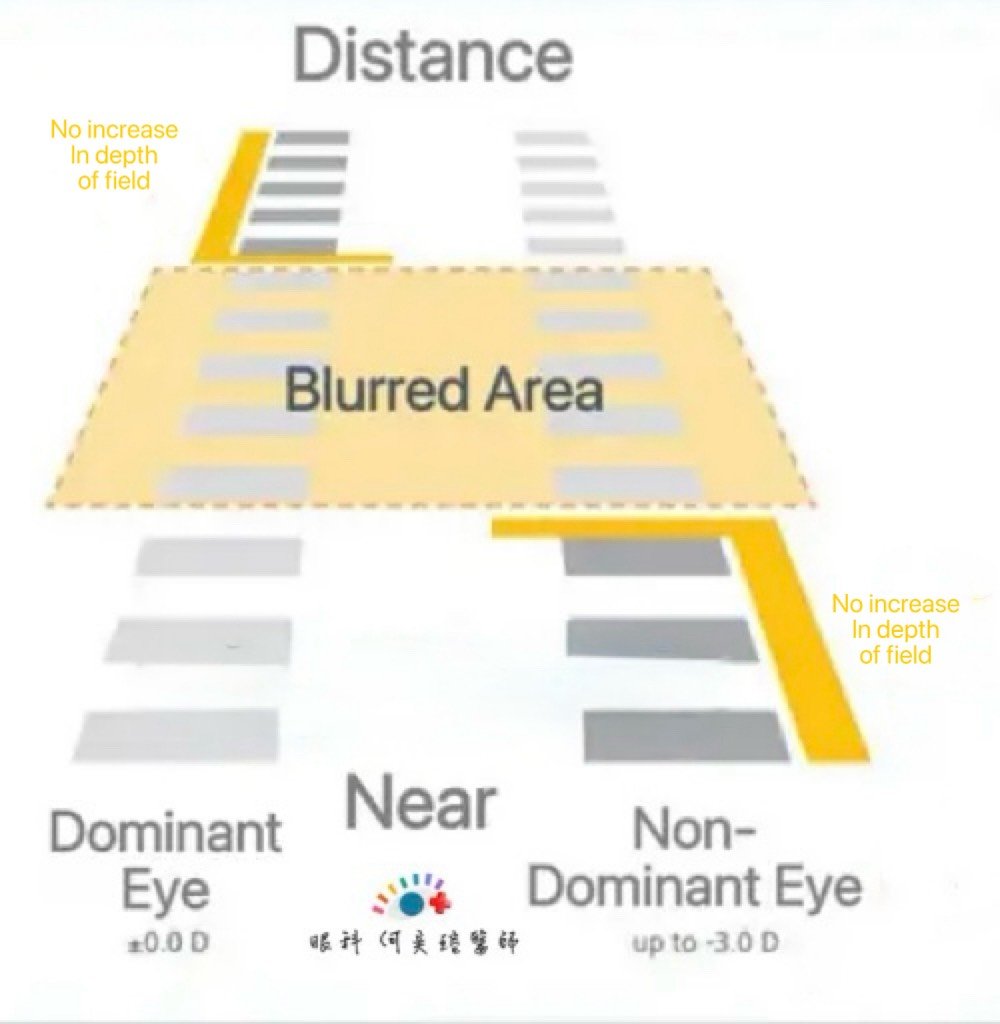
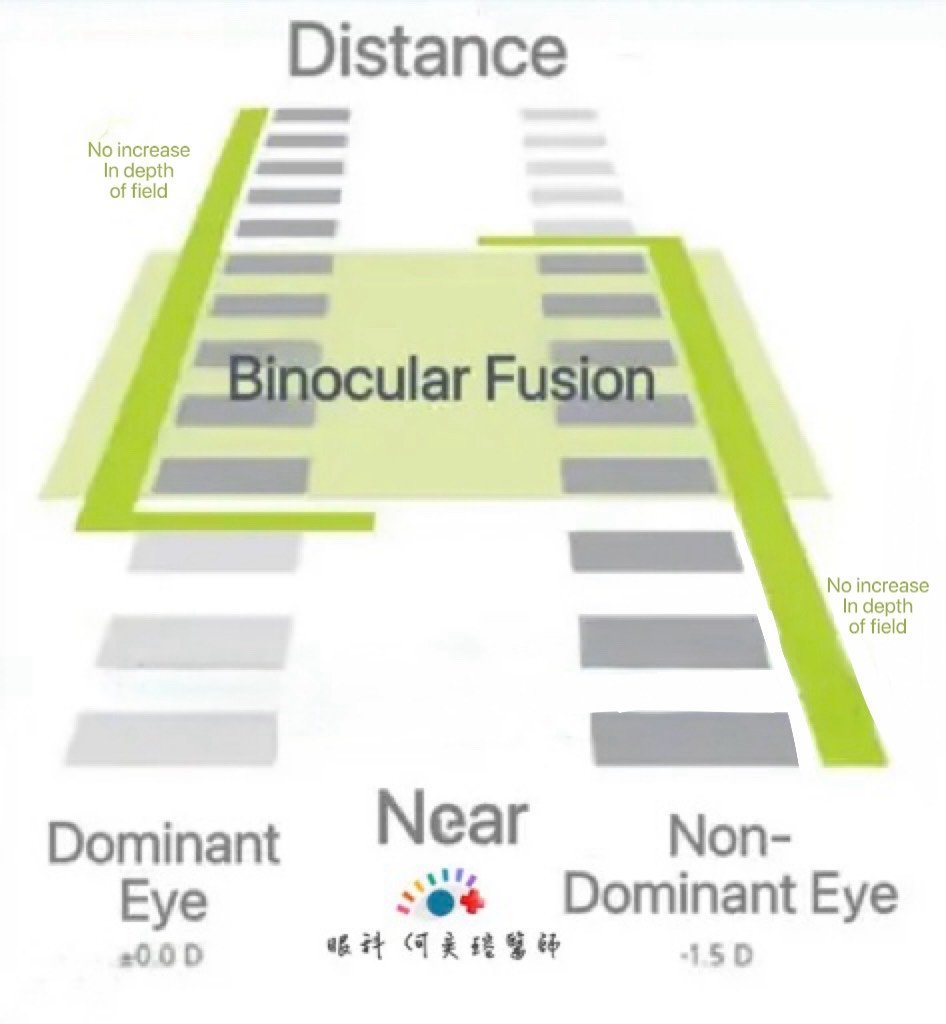
Traditional Presbyopia LASIK(monovision):

This approach typically corrects one eye for nearsightedness and the other for farsightedness (or perfect distance vision) to achieve a balance between far and near focus. However, some individuals may require an adaptation period to get used to the difference in prescription between the two eyes. *See illustration below.

(a)Corneal inlays Intraocular Lens (IOL)

The Pinhole Solution: Corneal Inlays Imagine a tiny lens implanted into the cornea that works like a camera's aperture. This pinhole effect helps you focus on near objects by extending your depth of field. While this method paused for a while as researchers addressed how the cornea adapts to foreign implants, the technology is evolving. New and improved products are on the horizon and preparing for launch—stay tuned for what’s next!

(b)Supracor

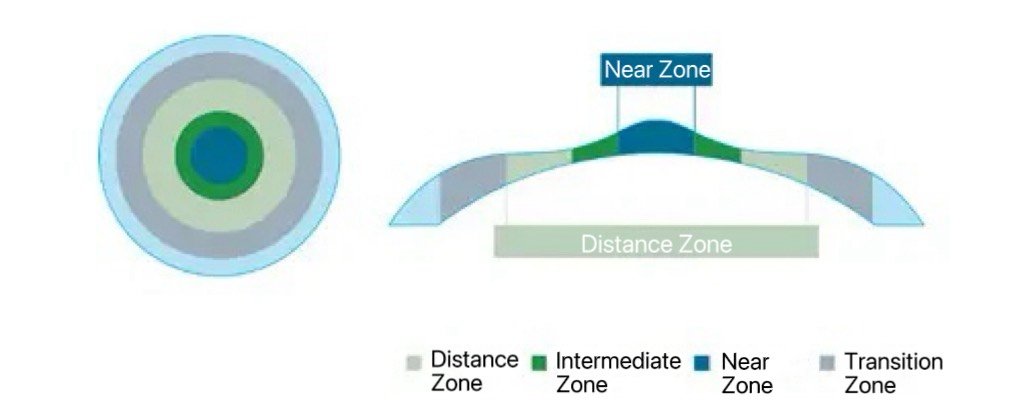
  1. Multifocal Corneal Reshaping (Presbyopic LASIK): This technique creates a multifocal effect on the cornea of the non-dominant eye. By sculpting a convex shape (plus power) in the central 3mm zone for near vision while maintaining the peripheral zone for distance vision, it allows for a broader range of focus.

  2. Nighttime Visual Side Effects: When the pupils dilate in low-light conditions, light entering through the peripheral zones may cause optical interference. This is particularly common in individuals with naturally large nighttime pupils, leading to symptoms such as glare, halos, starbursts, and ghosting (double vision).

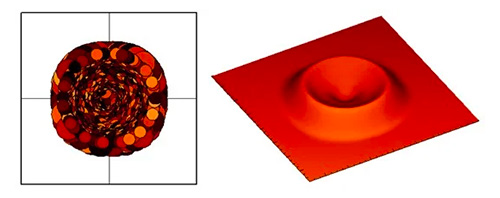
Hyperopic Supracor treatment – laser profile

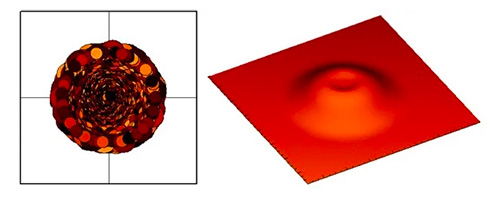
Myopic Supracor treatment – laser profile

Choosing Your Surgical Solution for Presbyopia

(c)PresbyMax:

PresbyMax

(Same principle as suprcor , developed by different manufacturers)

Choosing Your Surgical Solution for Presbyopia

Laser Blended Vison(LBV):

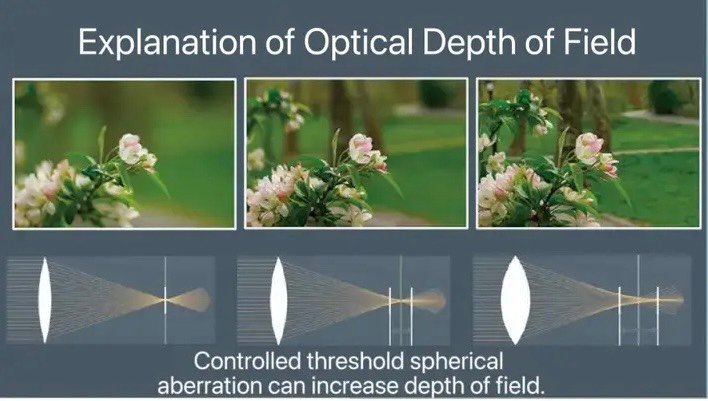
(Laser Blended Vison)This method utilizes optical principles—specifically the adjustment of spherical aberration—combined with time-tested laser technology. By fine-tuning these aberrations, it extends the eye’s depth of focus. This allows both eyes to work together (binocular vision), providing the ability to see clearly at both far and near distances simultaneously.

New Horizons in Cataract Treatment

Understanding Intraocular Lenses (IOLs) for Presbyopia

“Choosing Presbyopia-Correcting IOLs for Cataract Surgery”

Numerous leading global brands offer a variety of premium intraocular lenses, such as Multifocal, Trifocal, and Extended Depth of Focus (EDOF) lenses, all designed to address the challenge of presbyopia. For most patients, these lenses achieve a spectacle-independence rate of 80% to 90% or higher, depending on individual visual needs and lifestyles.

*Note: Presbyopia laser surgery is not suitable for everyone and may involve certain risks or side effects. Before undergoing any procedure, it is essential to consult an ophthalmology specialist for a personalized evaluation and professional advice.

Process

Pre-operative Consultation and Comprehensive Eye Exam

Personalized Consultation: Understanding Your Unique Needs

Medical Center Standard

Advanced Eye Health Examination

Personalized Consultation: Understanding Your Unique Needs

Process

Professional Medical Team

    *圖片點擊可以放大

    Formal Training

    She went on to study Integrative and Holistic Health and now specializes in gut-related and inflammatory conditions.

    Megan changed her own life with research, diet, gut healing, hypnosis, energy work, and other integrative practices. She now has zero health concerns, more fulfillment and joy in her life, and never spends hours in the kitchen or at the gym. “It feels AMAZING to be comfortable and happy in my own body, even after childbirth!”

    Megan’s passion is to help you, too, transform your life with simple tools, deep internal healing, and mind-body connection. She combines conventional knowledge in biochemistry, physiology and traditional health with powerful holistic strategies.

    This is the focus of Megan’s work: to help you experience true nourishment, exuberant vitality, outstanding health

    A Different Approach to Eating Well

    Allison’s approach to eating healthy focuses on adding affordable, nutritious, and delicious dishes and food items to your daily meals. No matter what your medical needs or budgeting realities are, Allison believes that everyone can and should find joy through food. Allison commonly offers advice and counseling on:
    • Weight Management
    • Family and Pregnancy
    • Endocrine Disorders
    • Cardiovascular Disease, High Cholesterol and High Blood Pressure
    • Digestive Disorders
    • Food Allergies and Sensitivities
    • Practice what you preach (by setting good examples for your children)
    • Plan ahead
    • Cook in bulk
    • Involve the whole family
    • Cook from scratch
    • Keep it simple

    Doctor is here to help

    Not sure which healing path is right for you?

    Search your condition on the doctor’s blog to see what Dr. Martin recommends, or even schedule an online consultation with the doctor in the clinic!

    Read the Blog

    Got a question about how we’re organised, applying to work for us, or looking for financial or shareholder information? View more Q&A here
    2025 年 12 月 30 日

    乾眼症患者在白內障手術後該注意哪些地方?   # 滋潤眼睛要定時: 找到合適的人工淚液。 點藥水的頻率要合適,並按照時間點藥。 不要等到眼睛感覺乾了才點,因為感到乾的時候可能已經產生發炎的狀況囉! # 熱敷: 熱敷相當重要,對於油脂分泌不好的人,熱敷可以促進油脂分泌。 但如果是有較深層阻塞,甚至有病變的狀況,則還需要接受進一步的治療。 # 定期回診,追蹤治療: 定期回診追蹤治療是很重要的一件事。     #何奕瑢醫師 #高階白內障手術 #飛秒雷射白內障手術  #竹北 …

    2025 年 12 月 25 日

    #Formosa!! #DrFilomenaRibeiro #何奕瑢醫師 #66th眼科年會 #ESCRS #歐洲白內障屈光學會 #IIRST #台灣眼內植入與屈光學會 #結盟!!! 更進一步走向國際化 #白內障 #近視雷射 #老花雷射 #ICL 當年 #葡萄牙人 透過航海技術飄揚到地球的另一端 發現了這美麗的島嶼 "Ilha Formosa!" 從此開啟了可愛的歷史連結🔗 Formosa 對我們台灣而言,這是個可愛的暱稱 對葡萄牙而言,這是個航海技術卓越的成就 ———————————————— …

    2025 年 12 月 18 日

    人工水晶體   挑越貴的越好嗎?   水晶體並非越貴越好         何醫師強調,人工水晶體是白內障手術的關鍵,但並非價格越高就一定越好,最重要的原則         是「選擇適合自己的水晶體」]。 依據個人需求與生活模式選擇        每個人合適的水晶體會根據工作性質與生活習慣而有所不同:        高用眼需求者: 工程師、大學教授或高階主管,因需要長期間使用電腦、閱讀報表或觀察精        細標籤,對「遠、中、近」距離的視覺品質要求較高 。        一般生活需 …

    help center

    Frequently asked questions

    Got a question about how we’re organised, applying to work for us, or looking for financial or shareholder information? View more Q&A here
    Lorem ipsum dolor sit amet, consectetur adipiscing elit. Ut elit tellus, luctus nec ullamcorper mattis, pulvinar dapibus leo.
    Lorem ipsum dolor sit amet, consectetur adipiscing elit. Ut elit tellus, luctus nec ullamcorper mattis, pulvinar dapibus leo.
    Lorem ipsum dolor sit amet, consectetur adipiscing elit. Ut elit tellus, luctus nec ullamcorper mattis, pulvinar dapibus leo.
    Lorem ipsum dolor sit amet, consectetur adipiscing elit. Ut elit tellus, luctus nec ullamcorper mattis, pulvinar dapibus leo.
    Lorem ipsum dolor sit amet, consectetur adipiscing elit. Ut elit tellus, luctus nec ullamcorper mattis, pulvinar dapibus leo.